Relative Rest Is a Training Strategy: How Athletes in Milwaukee’s North Shore Are Using Recovery to Improve Strength, Performance & Longevity
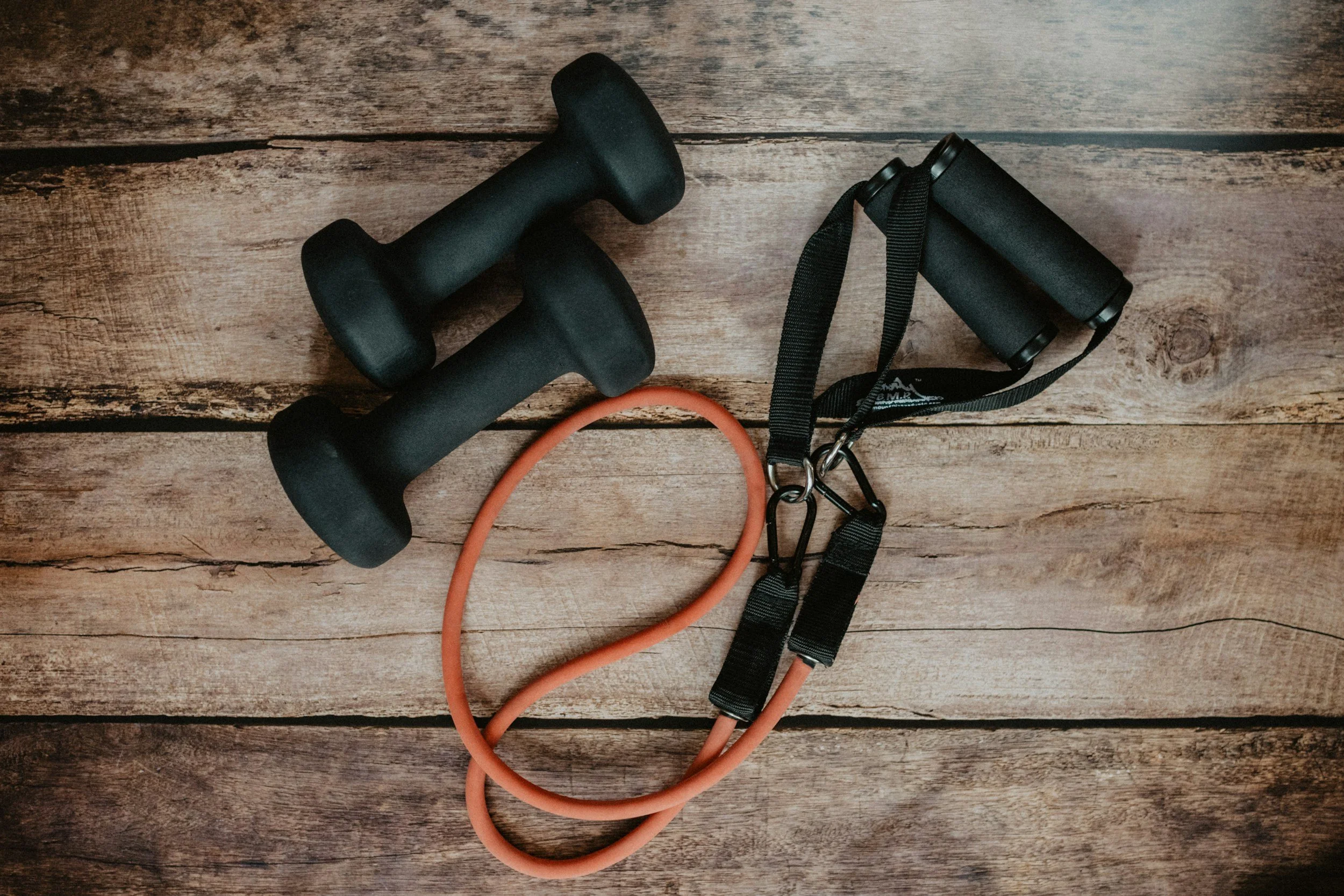
For many athletes on Milwaukee’s North Shore, the mindset is simple: more is better. More miles. More reps. More intensity. More days in a row without rest.
But what we see every day providing Physical Therapy in Whitefish Bay is something very different:
👉 The strongest, healthiest, highest-performing athletes aren’t the ones who never rest — they’re the ones who recover with intention.
Recovery isn’t the opposite of training.
Recovery is training.
And one of the most effective strategies we use in performance-based physical therapy is something called relative rest.
What Is Relative Rest?
Relative rest doesn’t mean doing nothing. It means modifying training load and volume while keeping your body moving and adapting.
Instead of stopping activity completely, relative rest may include:
Reducing mileage or lifting volume temporarily
Swapping high-impact training for lower-impact options
Prioritizing strength and conditioning for athletes
Improving movement quality and technique
This approach allows injured or overloaded tissues to heal without sacrificing performance.
Why Athletes Struggle With Rest
Many Greater Milwaukee athletes fear rest because they worry about:
Losing fitness
Falling behind
Breaking momentum
But complete rest often leads to:
Stiffness
Deconditioning
Slower return to sport
That’s why injury prevention for athletes is built around relative rest as a training strategy, not avoidance of movement.
How Relative Rest Improves Strength
Strategic load reduction allows your body to finally adapt.
Benefits include:
Improved muscle recruitment
Reduced compensation patterns
Better force production
Stronger return to loading
Athletes working with Sports Physical Therapy in Milwaukee often return stronger because their tissues are no longer training in a constantly inflamed state.
Relative Rest & Performance Gains
High performance requires recovery. Without it, fatigue accumulates faster than adaptation.
Relative rest supports:
Nervous system recovery
Improved power output
Better coordination and efficiency
This is why recovery-focused physical therapy is essential for long-term performance.
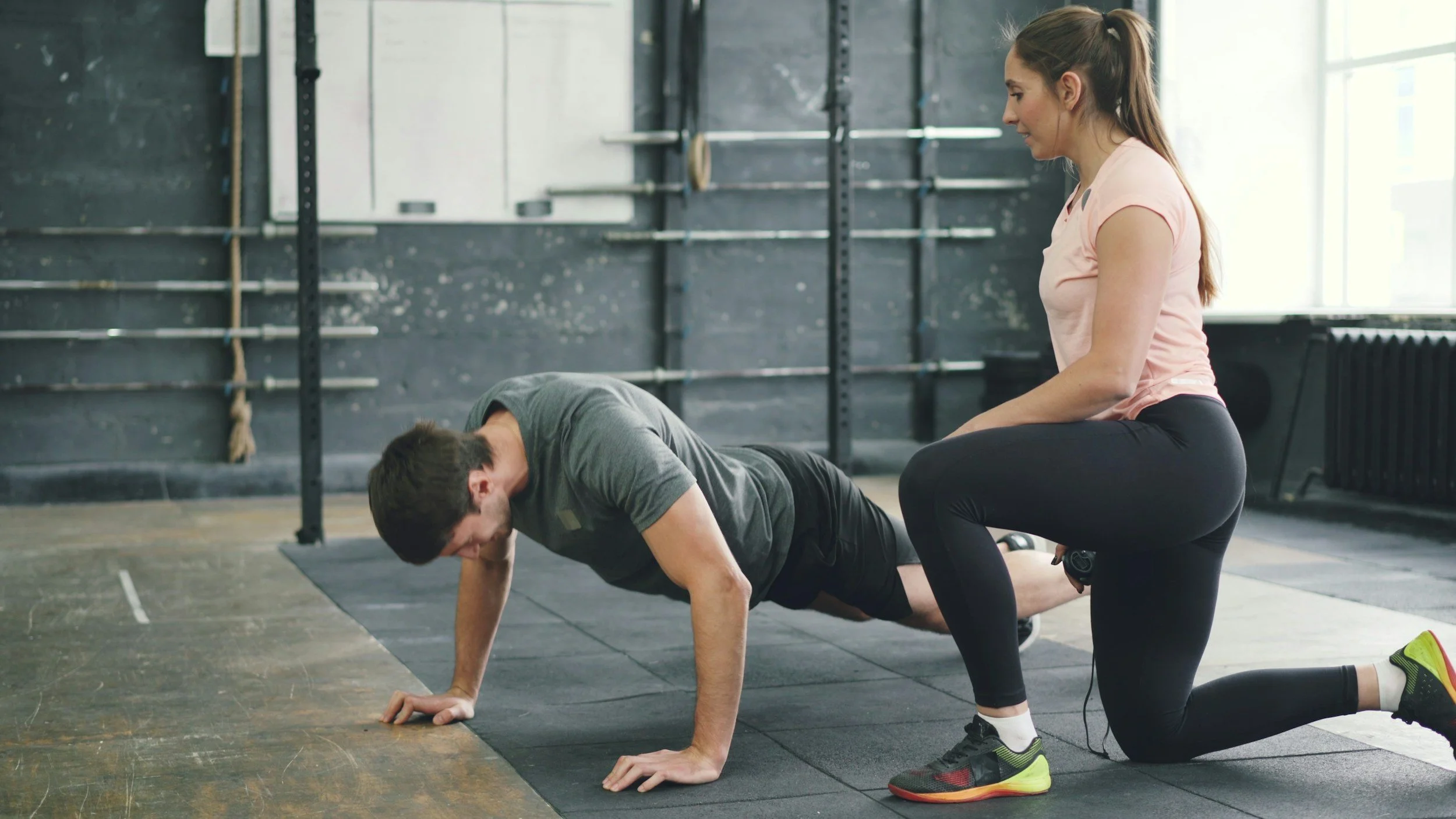
Longevity: Playing the Long Game
Many Whitefish Bay runners and lifters want to stay active for decades — not just seasons.
Relative rest helps support:
Joint preservation
Reduced overuse injury recovery timelines
Sustainable training habits
Longevity isn’t about training less — it’s about training smarter.
What Relative Rest Looks Like in Real Life
Here’s how we apply it with Milwaukee North Shore athletes:
Runners reduce mileage while focusing on return-to-sport training programs
Lifters decrease max loads to improve control and tempo
Golfers emphasize mobility, stability, and rotational strength
Field athletes maintain power while lowering weekly volume
Movement continues. Progress stays intact. Pain decreases.
Movement continues. Progress stays intact. Pain decreases.
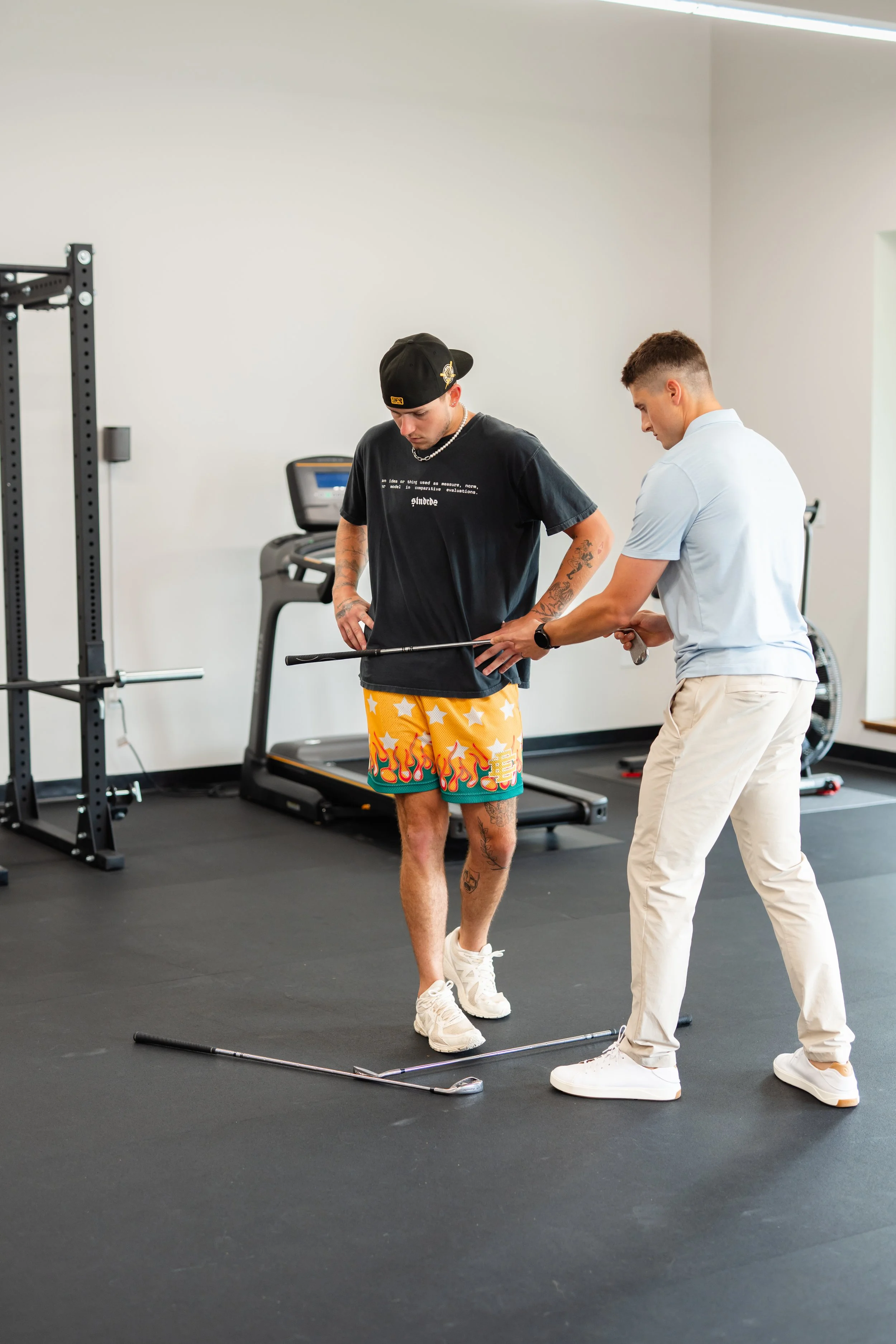
How Physical Therapy Makes Relative Rest Effective
Relative rest works best when guided by a Doctor of Physical Therapy who understands:
Load management strategies
Sport-specific demands
Tissue healing timelines
Movement assessments
At Living Well Physical Therapy & Performance, our performance physical therapy model allows athletes to continue training while we address the root cause of pain or limitation.
The Takeaway: Rest Smarter, Not Harder
If you’re pushing through pain, dealing with recurring flare-ups, or stuck at a performance plateau, your body may be asking for a smarter strategy.
Relative rest is how athletes improve strength, elevate performance, and stay active for life.
Ready to Train Smarter?
If you’re an athlete in Whitefish Bay, Shorewood, Mequon, or Bayside dealing with:
Chronic pain
Recurrent injuries
Performance plateaus
👉 Schedule a physical therapy evaluation or book a performance assessment with Living Well Physical Therapy & Performance today.
Let’s help you stay strong, resilient, and LIVING WELL, now and for years to come.