
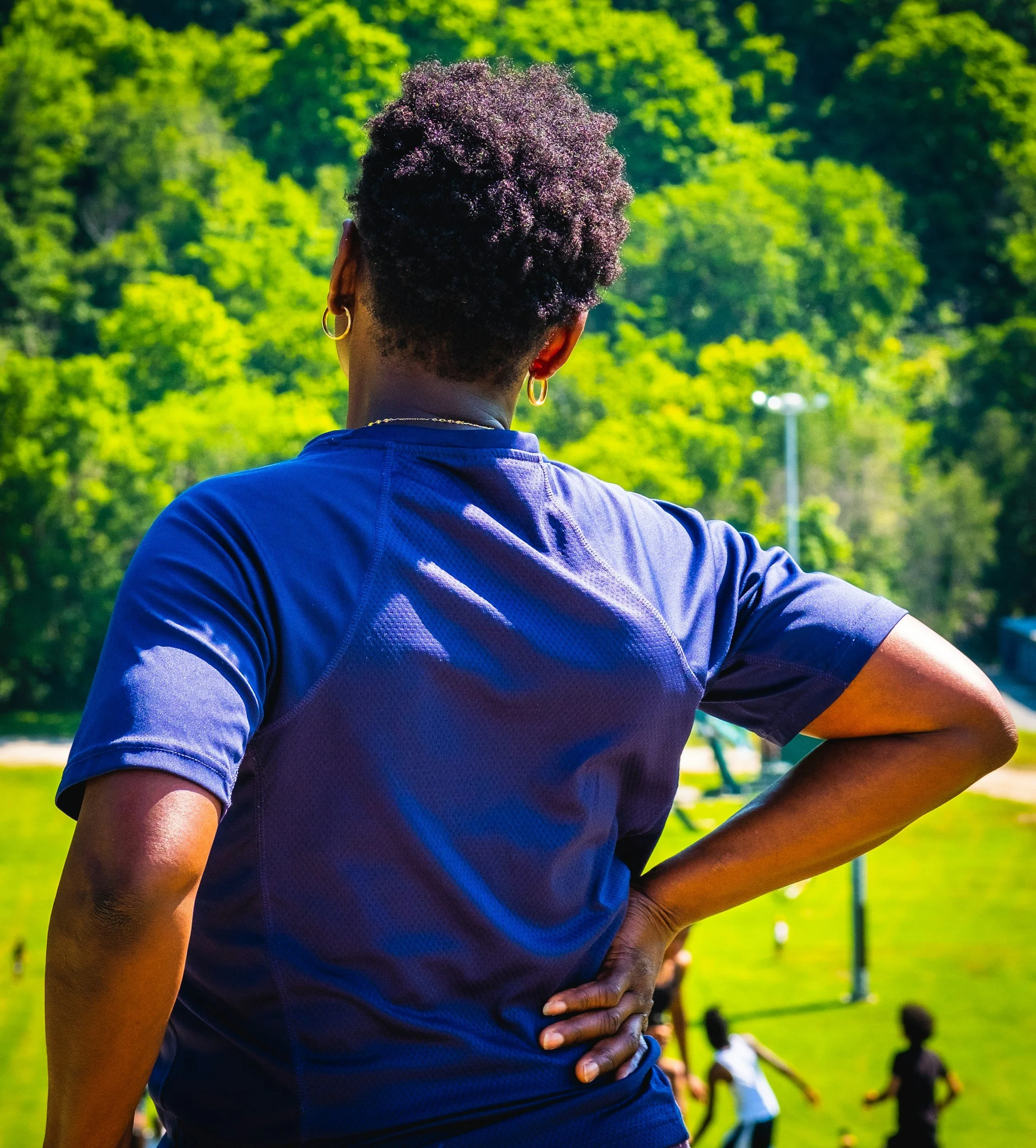
Why Poor Rotational Strength Contributes to Low Back Pain in Active Adults
Low back pain in active adults is often blamed on the back itself, but the real issue is usually poor rotational strength. When the hips and mid-back cannot rotate efficiently, the lower back is forced to compensate, leading to tightness, irritation, and recurring discomfort. By improving thoracic mobility, hip rotation, and core anti-rotation strength, you can reduce strain on your spine, move more efficiently, and get back to activities like golf, tennis, and running with less pain and better performance.
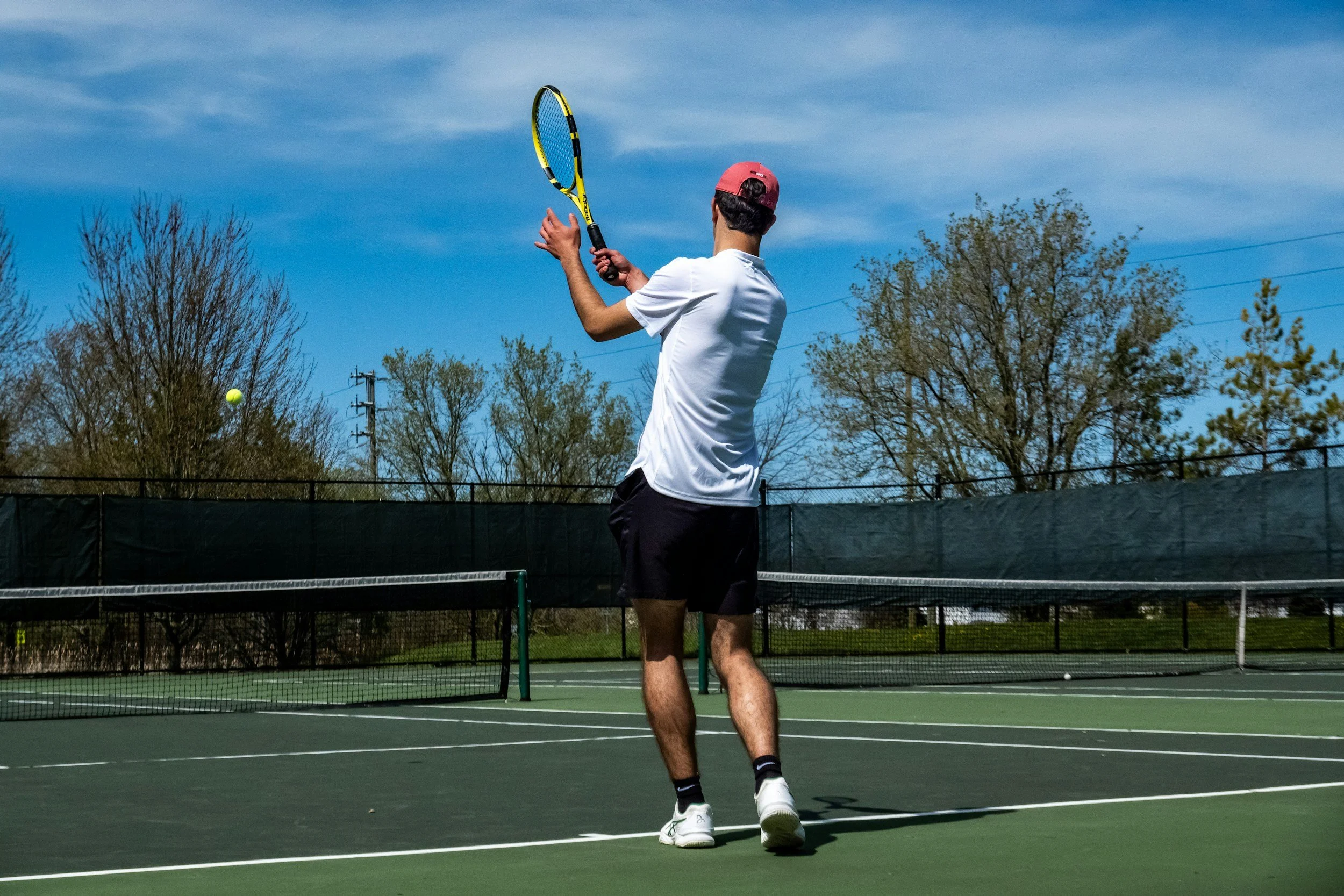
How Rotational Strength Improves Golf, Tennis, and Running Performance
Rotational strength is the hidden driver behind powerful golf swings, explosive tennis strokes, and efficient running form—yet it’s often overlooked in traditional training. When your body can’t rotate well through the thoracic spine, hips, and core, performance suffers and injury risk rises. By improving how these areas move and work together, athletes can unlock more power, better efficiency, and greater resilience. For many golfers, tennis players, and runners, rotational training isn’t just helpful—it’s the missing link.

Balancing Sports, School, and Recovery: Avoiding Burnout in Student-Athletes
Being a student-athlete is rewarding — but balancing practices, games, classes, and life can lead to physical and mental burnout if recovery is overlooked. At Living Well Physical Therapy & Performance, we help athletes stay healthy, strong, and motivated by focusing on proper training balance, time management, mental well-being, and recovery strategies. With the right plan, you can perform at your best, prevent injuries, and enjoy your sport for years to come.

Strength Training for Teen Athletes: Safe, Smart, and Sport-Specific
Strength training is not only safe for teen athletes—it’s one of the best ways to improve performance and prevent injuries. At Living Well Physical Therapy & Performance, we focus on teaching proper form, age-appropriate progressions, and sport-specific exercises to keep athletes healthy and strong. From soccer players to swimmers, strength training builds resilience, confidence, and long-term success on and off the field.

Overuse Injuries in Young Athletes: How to Spot the Warning Signs
Nagging aches, sore joints, or stiffness after practice may seem “normal” for young athletes—but they’re not. At Living Well Physical Therapy & Performance, we often see overuse injuries develop when growing athletes push through pain or train too much without recovery.
Persistent pain, swelling, or changes in performance are red flags that shouldn’t be ignored. Early recognition and intervention can prevent minor issues from becoming season-ending injuries.
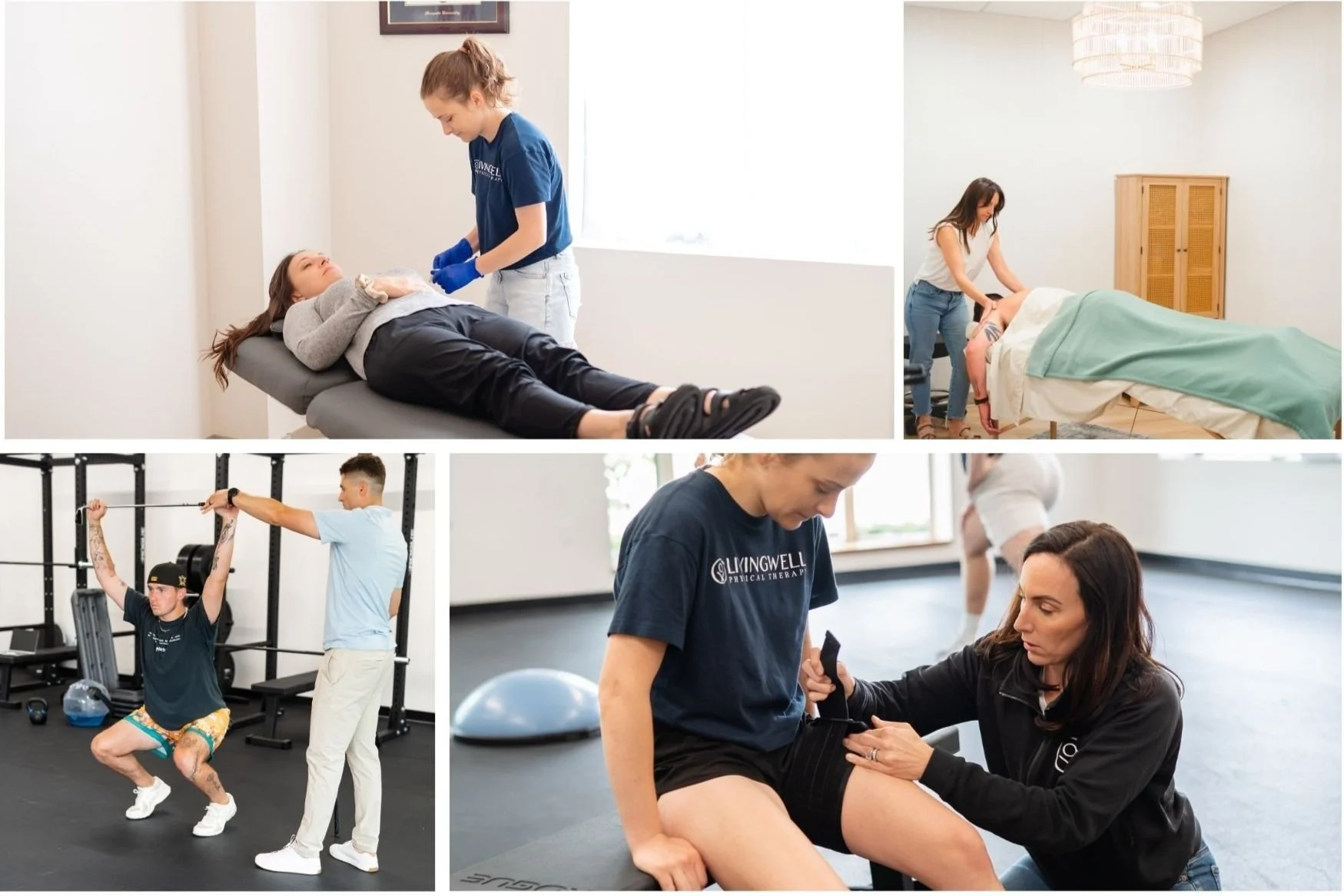
Top 5 Common Fall Sports Injuries (and How to Prevent Them)
Fall sports bring excitement, competition, and teamwork—but also a higher risk of injury. From ankle sprains to shin splints, athletes often face preventable setbacks that can take them out of the game. At Living Well Physical Therapy & Performance, we’re breaking down the Top 5 Common Fall Sports Injuries and sharing practical tips to help athletes stay healthy, strong, and on the field this season.

From Summer to Fall Sports: Transitioning Safely Without Injury
From Summer to Fall Sports: Transitioning Safely Without Injury
The shift from summer break to fall sports can be tough on young athletes’ bodies. Without proper preparation, the sudden increase in training and competition can lead to injuries. In this blog, we share simple strategies to ease the transition, prevent common injuries, and keep athletes strong all season long.