How Rotational Strength Improves Golf, Tennis, and Running Performance
By a Doctor of Physical Therapy at LWPT & Performance
If you’ve ever watched a powerful golf swing, a fast tennis serve, or a smooth running stride, you’ve seen rotation in action. Rotation is the engine behind many athletic movements, yet it’s one of the most overlooked components in traditional training programs.
As a Doctor of Physical Therapy at Living Well Physical Therapy & Performance, I see athletes across Whitefish Bay, Shorewood, Fox Point, Bayside, and River Hills who are strong in straight-line movements but struggle when rotation is required. Whether you're working on Milwaukee golf performance, dealing with tennis injuries, or trying to improve running performance in Milwaukee, building rotational strength can be a game changer.
Let’s break down the three major pieces of rotational performance: thoracic mobility, hip rotation, and core anti-rotation strength.
👟 Why Rotation Matters for Golf, Tennis, and Running
Most strength programs focus heavily on forward and backward movements like squats, lunges, and deadlifts.
These are important—but life and sport don’t happen in straight lines.
Golf requires powerful rotation through the torso and hips to create clubhead speed.
Tennis demands explosive rotation for serves, forehands, and backhands.
Running may look straight ahead, but every stride includes subtle rotational forces that help maintain efficiency and balance.
When rotation is limited in one area, your body compensates somewhere else. That’s when performance plateaus—and injuries start showing up.
🧱Thoracic Mobility: The Foundation of Rotational Movement
Your thoracic spine (mid-back) is designed to rotate. Unfortunately, modern lifestyles—long hours sitting, working on computers, or driving—often leave this area stiff.
When thoracic mobility is limited, athletes compensate by:
Over-rotating through the lower back
Losing power during swings or strides
Increasing risk of back, shoulder, or elbow injuries
Why Thoracic Mobility Matters
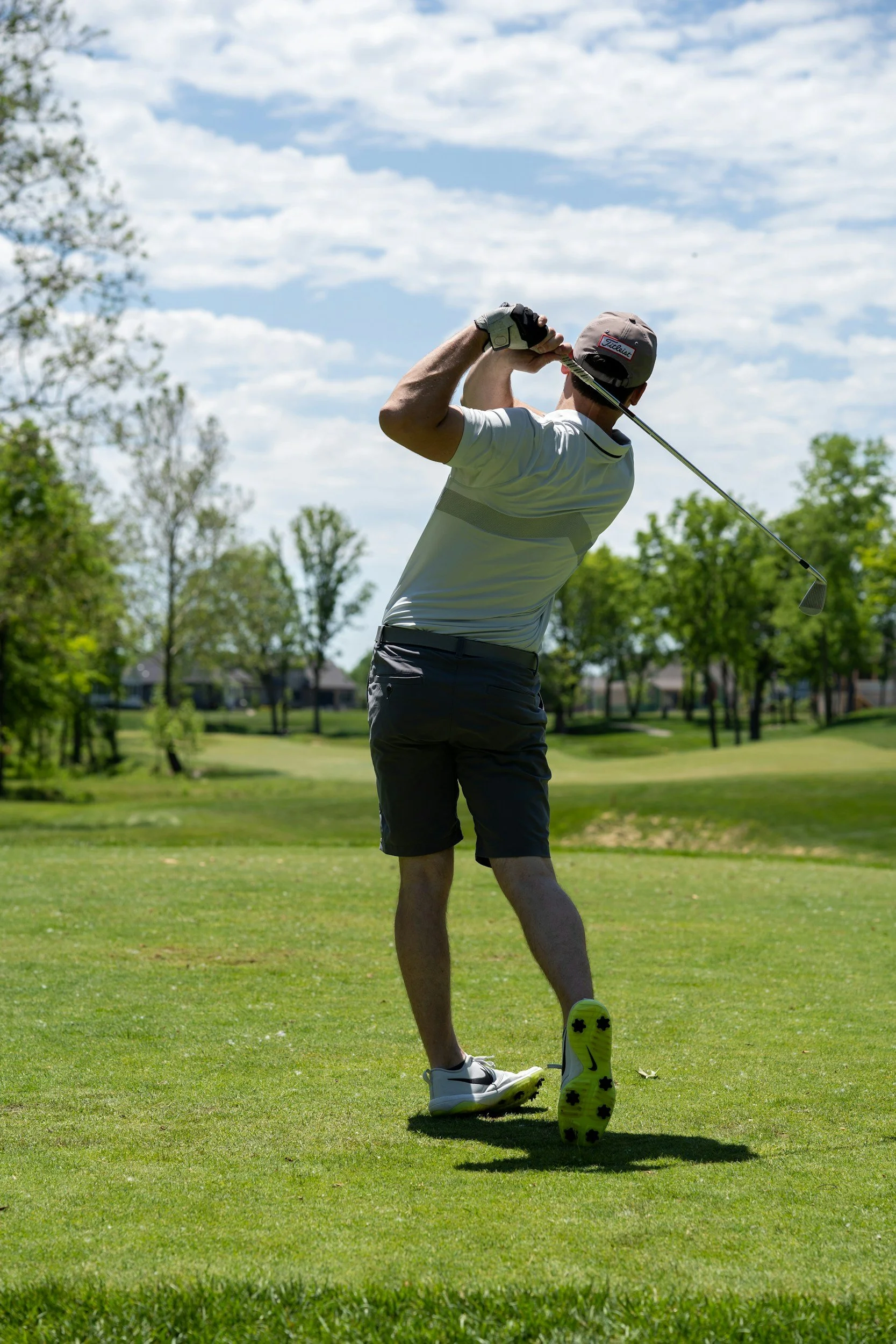
⛳ For golfers: Limited thoracic rotation often leads to shorter backswings and reduced clubhead speed. Improving thoracic mobility can directly enhance Milwaukee golf performance by allowing smoother and more powerful swings.
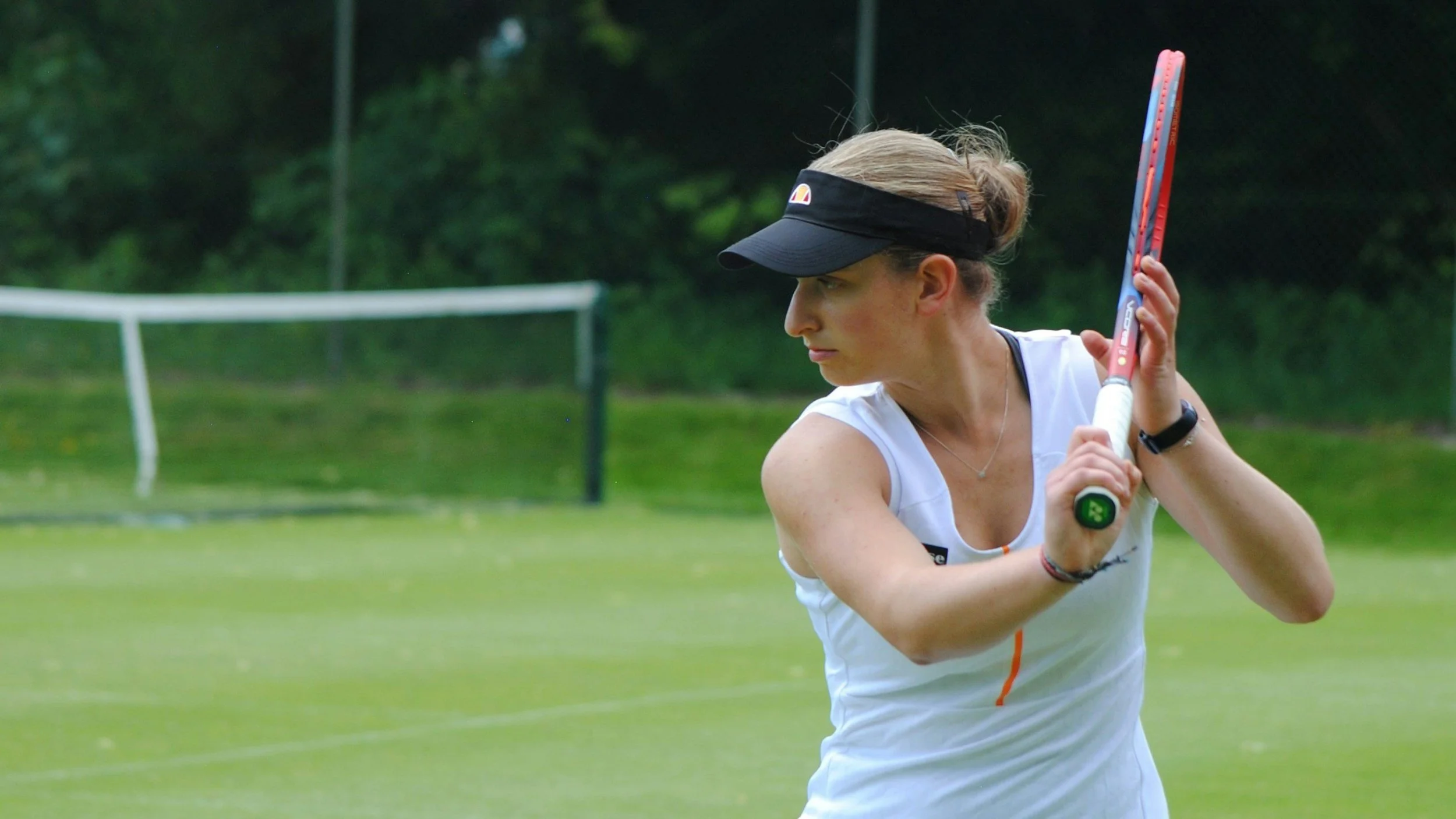
🎾 For tennis players: Tennis serves and groundstrokes rely on rotational sequencing. Poor mobility in the thoracic spine is a common contributor to tennis injuries, especially shoulder and elbow pain.
🏃 For runners: Efficient arm swing requires rotation through the upper body. Stiffness in the thoracic spine can reduce running efficiency and increase fatigue, impacting running performance in Milwaukee runners training along popular routes like Lake Michigan paths or neighborhood roads in Shorewood and Whitefish Bay.
Simple Starting Exercises
Open book rotations
Quadruped thoracic rotations
Foam roller thoracic extensions
These movements help restore the mobility needed for efficient rotation.
💥 Hip Rotation: Where Power Is Generated
If the thoracic spine allows movement, the hips create power.
Hip rotation plays a massive role in:
Generating force
Transferring energy
Protecting the lower back
When hip rotation is limited, the body often shifts stress into the knees or lumbar spine.
Why Hip Rotation Matters
For golfers:
A powerful golf swing starts from the ground up. Limited hip rotation reduces energy transfer, forcing the upper body to do more work and decreasing overall swing power.
For tennis players:
Quick directional changes and rotational strokes depend on strong, mobile hips. Many athletes dealing with tennis injuries—especially hip and knee pain—lack adequate hip rotation control.
For runners:
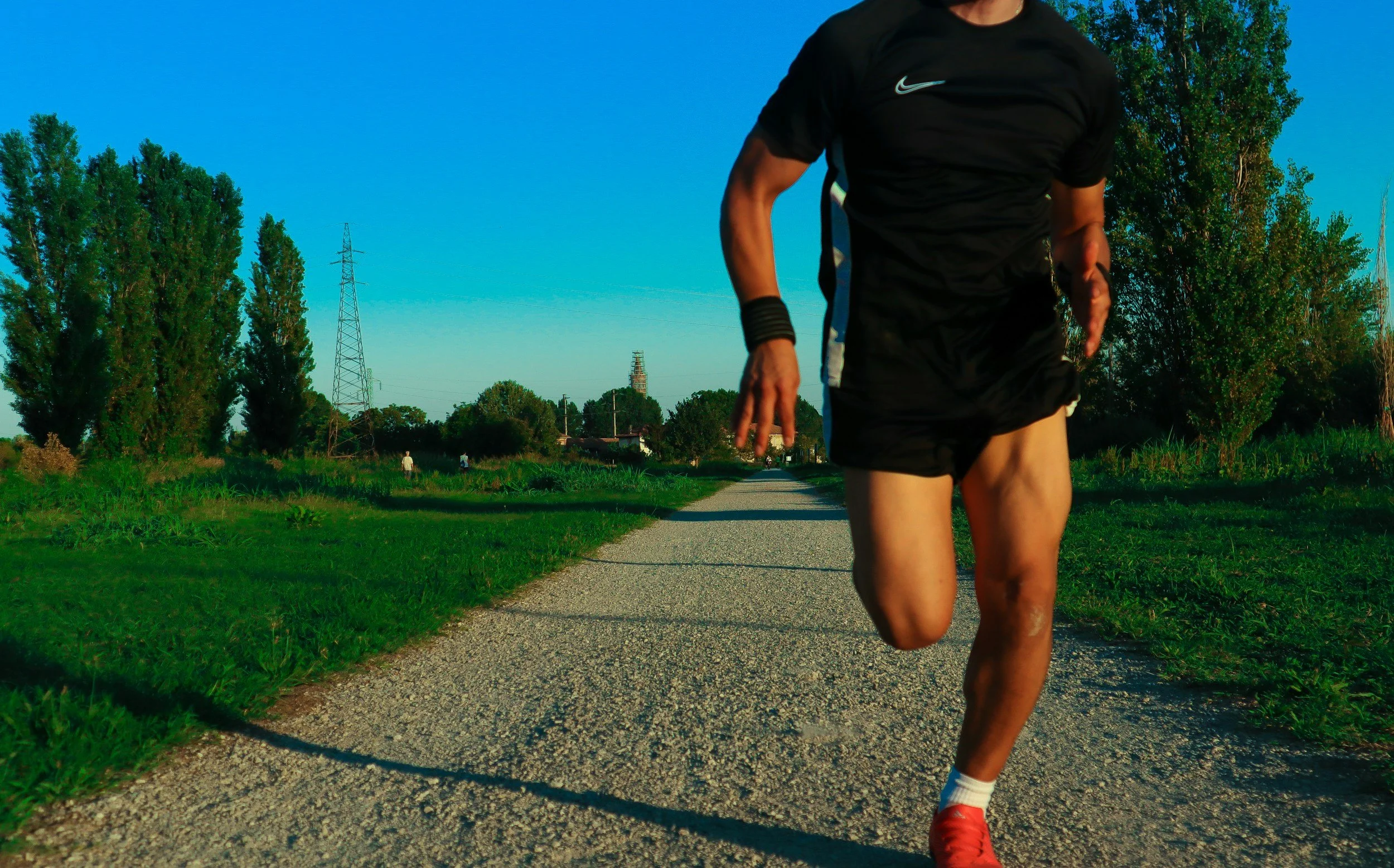
Running efficiency depends on controlled hip rotation. Without it, stride length shortens and excessive motion occurs elsewhere, leading to common issues like IT band pain or knee irritation.
Simple Starting Exercises
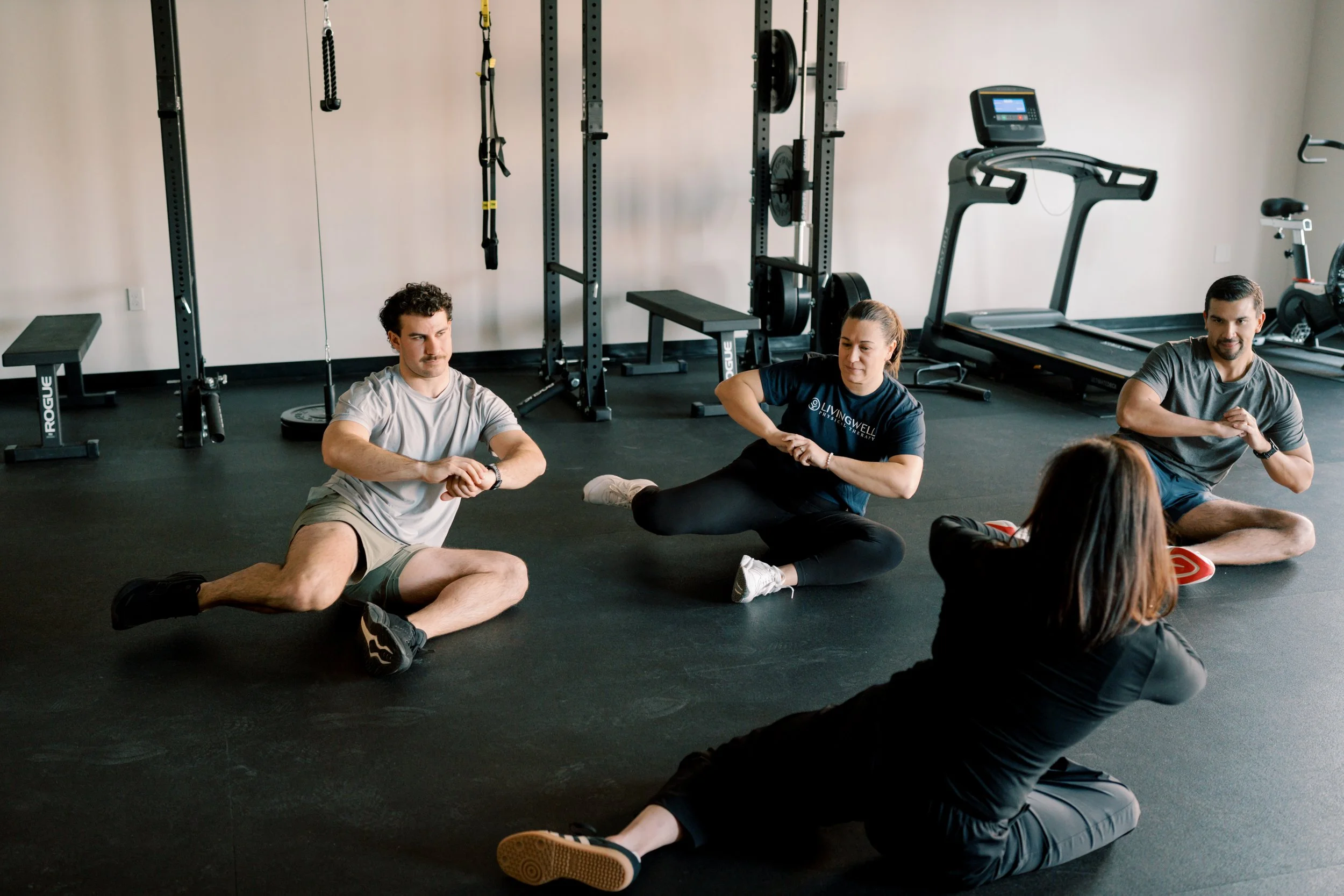
90/90 hip rotations
Controlled hip internal rotation drills
Lateral lunges with rotation
These movements build both mobility and strength in the hips.
🦸 Core Anti-Rotation: The Unsung Hero
Here’s something that surprises many athletes: the core isn’t just about creating movement—it’s about resisting movement.
Anti-rotation strength is what allows power to transfer smoothly from the lower body to the upper body without losing energy.
Think of your core as the bridge between your hips and shoulders.
If that bridge is weak, power leaks.
Why Anti-Rotation Matters
For golfers:
Core stability allows you to control the speed of rotation and maintain posture throughout the swing.
For tennis players:
A stable core reduces excessive stress on the shoulder and elbow during high-speed serves and strokes.
For runners:
Strong anti-rotation control helps maintain stride efficiency and reduces unnecessary torso movement—leading to better endurance and improved running performance in Milwaukee.
Simple Starting Exercises
Pallof press
Dead bugs
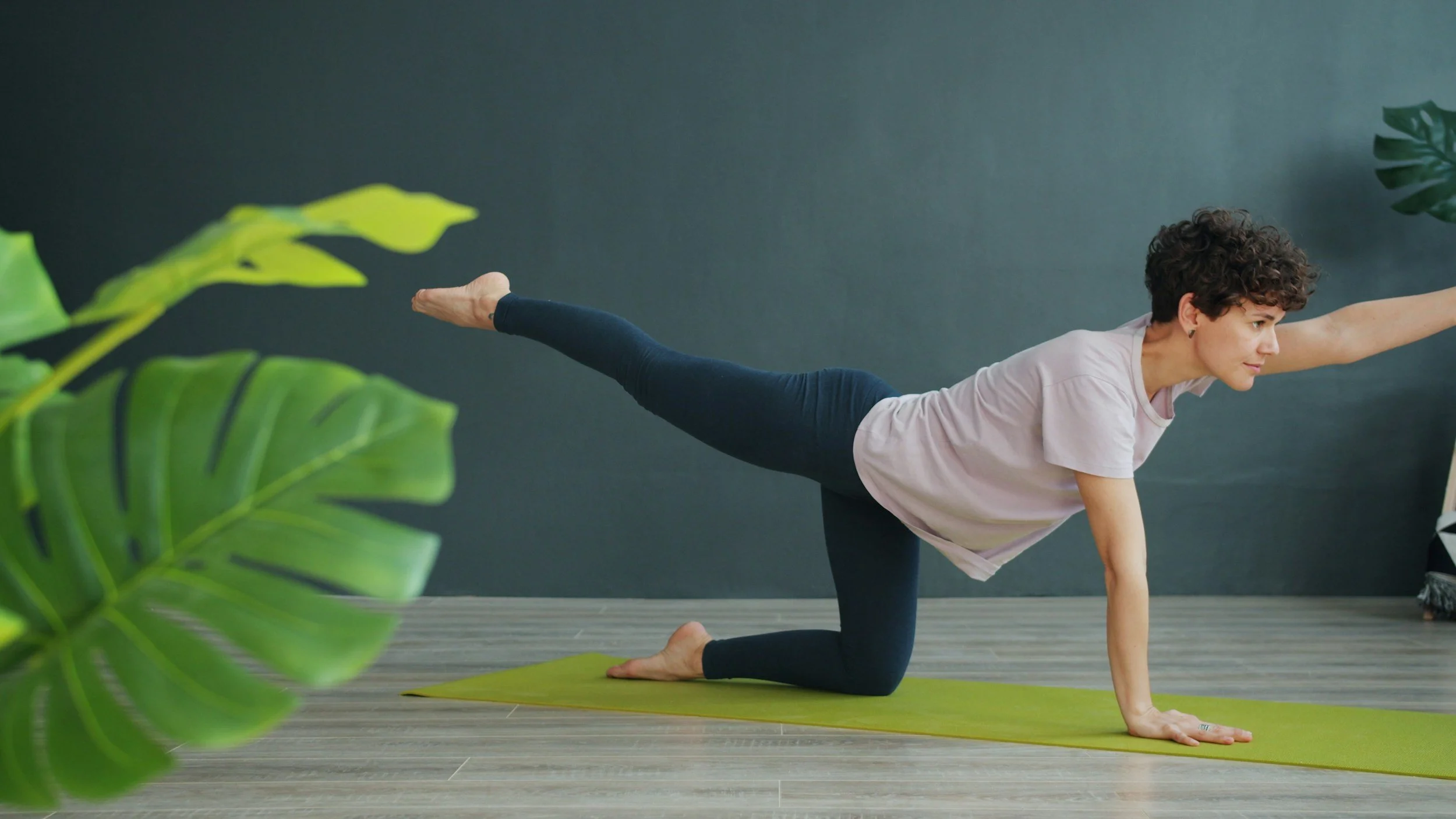
Bird dogs
Farmer carries
These exercises strengthen your ability to control motion, not just create it.
🌟 The Real Secret: Rotational Sequencing
One of the most important concepts in performance is sequencing—the timing of movement between body parts.
The ideal sequence looks like this:
Hips initiate movement
Core transfers force
Thoracic spine rotates
Arms deliver the final motion
When this sequence is smooth, performance improves and injury risk decreases.
When it’s disrupted, the body compensates—and symptoms start to appear.
⚠️ Signs You May Need Rotational Training
If you're active in golf, tennis, or running, these signs may indicate rotational limitations:
Decreased swing speed
Feeling “tight” through the mid-back
Recurrent shoulder or elbow discomfort
Lower back tightness after activity
Knee or hip pain during movement
Difficulty generating power
These are common complaints we see in athletes across Whitefish Bay, Shorewood, Fox Point, Bayside, and River Hills.
🤕 How Rotational Strength Improves Injury Prevention
Most injuries aren’t caused by a single bad movement. They happen because of repeated stress placed on tissues that aren’t prepared for the load.
Improving rotational strength:
Reduces stress on joints
Improves movement efficiency
Enhances coordination
Builds resilience
For athletes focused on Milwaukee golf performance, recovering from tennis injuries, or improving running performance in Milwaukee, rotational strength is often the missing link.
🙏 Bringing It All Together
If you take one thing away from this article, let it be this:
Performance isn’t just about strength—it’s about how your body moves through rotation.
When thoracic mobility, hip rotation, and core anti-rotation strength work together, athletes experience:
Faster and more efficient running
Improved stroke control
Fewer injuries
Greater confidence in movement
That’s why rotational training is a cornerstone of how we help athletes at Living Well Physical Therapy & Performance.
🙋 When to Seek Help
If you’re dealing with:
Recurrent golf or tennis injuries
Persistent stiffness in your mid-back or hips
A plateau in running or sport performance
Pain that keeps returning despite stretching
A movement assessment can identify exactly where your rotational limitations exist.
At Living Well Physical Therapy & Performance, we specialize in helping athletes throughout Whitefish Bay, Shorewood, Fox Point, Bayside, and River Hills build better movement patterns that translate directly into performance gains.
💡Final Thoughts
Rotation is the common thread between many sports and everyday movements. When you improve how your body rotates, you unlock strength, power, and efficiency that traditional training alone can’t deliver.
Whether you’re working to improve Milwaukee golf performance, stay ahead of tennis injuries, or elevate running performance in Milwaukee, focusing on rotational strength may be the smartest investment you make in your body.
And often, it’s the missing piece that changes everything.