
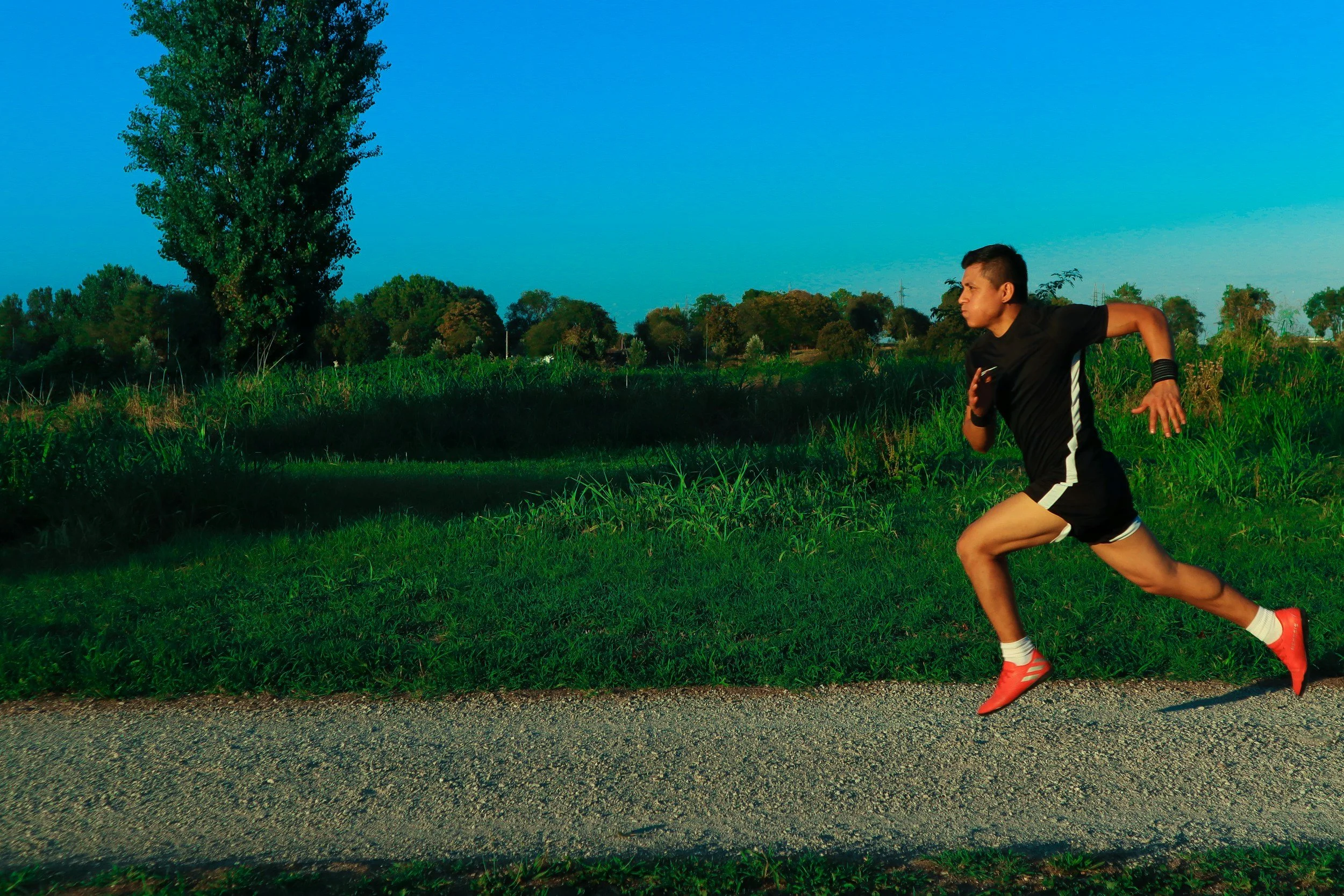
5 Rotational Exercises Every Runner Should Add to Their Training
Running is more than just forward motion. This blog breaks down five simple rotational exercises that help runners improve efficiency, build stronger hips and core stability, and reduce common injuries like IT band pain, low back tightness, and hamstring strains. Learn how rotational strength training can help you run stronger, move better, and stay healthy for the long run.
Why Poor Rotational Strength Contributes to Low Back Pain in Active Adults
Low back pain in active adults is often blamed on the back itself, but the real issue is usually poor rotational strength. When the hips and mid-back cannot rotate efficiently, the lower back is forced to compensate, leading to tightness, irritation, and recurring discomfort. By improving thoracic mobility, hip rotation, and core anti-rotation strength, you can reduce strain on your spine, move more efficiently, and get back to activities like golf, tennis, and running with less pain and better performance.

How Rotational Strength Improves Golf, Tennis, and Running Performance
Rotational strength is the hidden driver behind powerful golf swings, explosive tennis strokes, and efficient running form—yet it’s often overlooked in traditional training. When your body can’t rotate well through the thoracic spine, hips, and core, performance suffers and injury risk rises. By improving how these areas move and work together, athletes can unlock more power, better efficiency, and greater resilience. For many golfers, tennis players, and runners, rotational training isn’t just helpful—it’s the missing link.

Why Rotational Strength is the Missing Link in Most Training Programs
Most training programs focus heavily on forward and backward movement, but real life and sport rarely happen in straight lines. At Living Well Physical Therapy & Performance, we often see injuries in active adults and athletes that stem from one overlooked area: rotational strength. Without the ability to create and control rotation through the hips and core, the body compensates in ways that can lead to pain and inefficiency. Building rotational strength is often the missing link to improving performance, reducing injury risk, and helping your body move the way it was designed to.