Why Rotational Strength is the Missing Link in Most Training Programs
By a Doctor of Physical Therapy at LWPT & Performance
Walk into most gyms and you will see people training the same patterns over and over again. Squats. Deadlifts. Lunges. Running on treadmills. Cycling.
These movements are valuable and foundational, but they share one thing in common. They primarily happen moving forward and backward.
The reality is that very few movements in sport or daily life happen in straight lines.
At Living Well Physical Therapy & Performance, many of the injuries we see in active adults and athletes across Milwaukee, Shorewood, Whitefish Bay, and Mequon come from one missing piece in training programs: rotational strength and control.
Rotation is how the body transfers force, generates power, and protects the spine during dynamic movement. When it is ignored in training, the body often finds other ways to create that motion, and those compensations can lead to injury.
Let’s break down why rotational strength matters and how you can start building it into your training.
🔀 Planes of Motion Explained
The human body moves in three primary planes of motion.
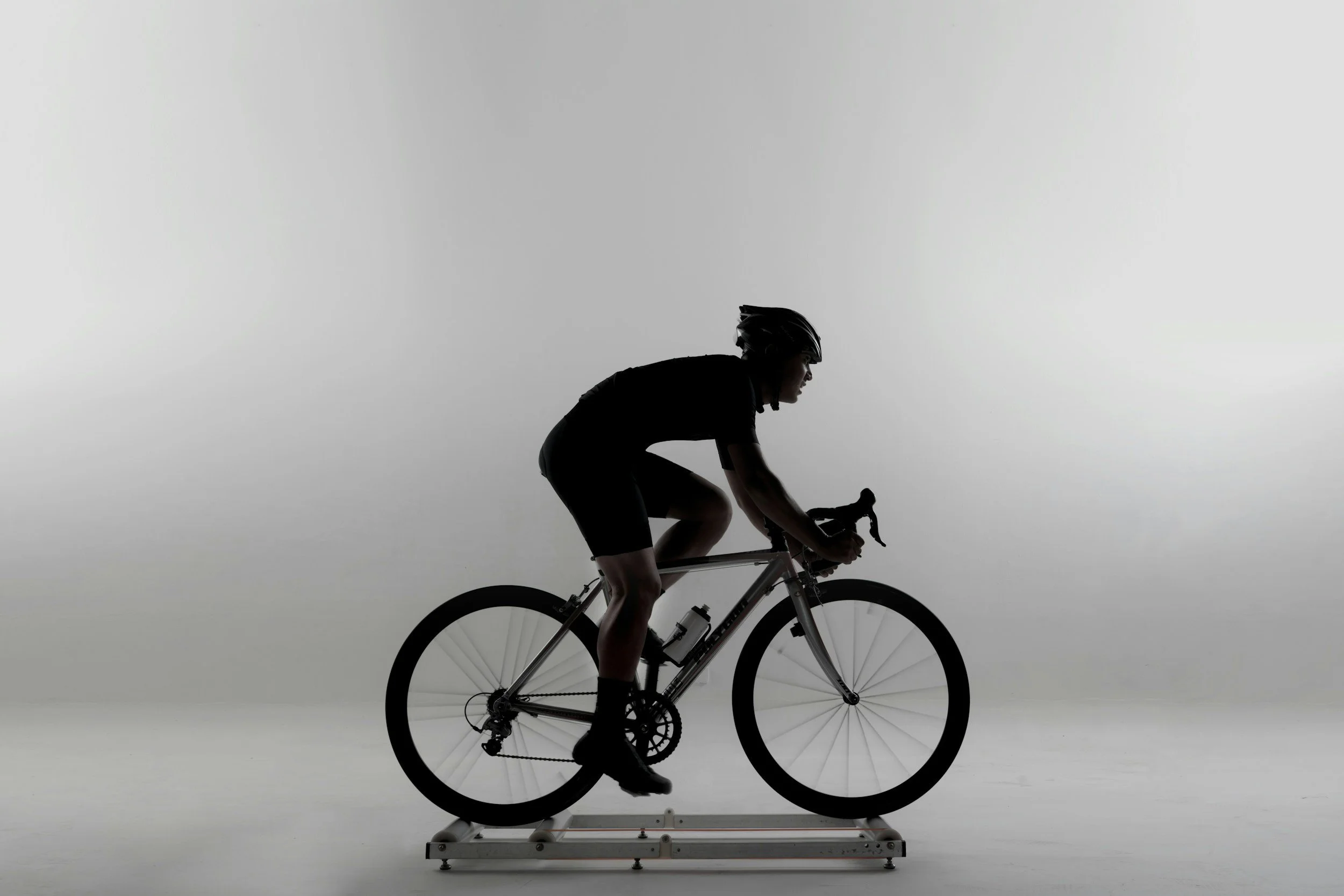
Sagittal Plane
This is forward and backward movement. Most traditional strength exercises live here.
Examples include:
Squats
Deadlifts
Running
Walking
Cycling
Forward lunges
These movements are essential for strength and power, but they only represent one direction the body can move.
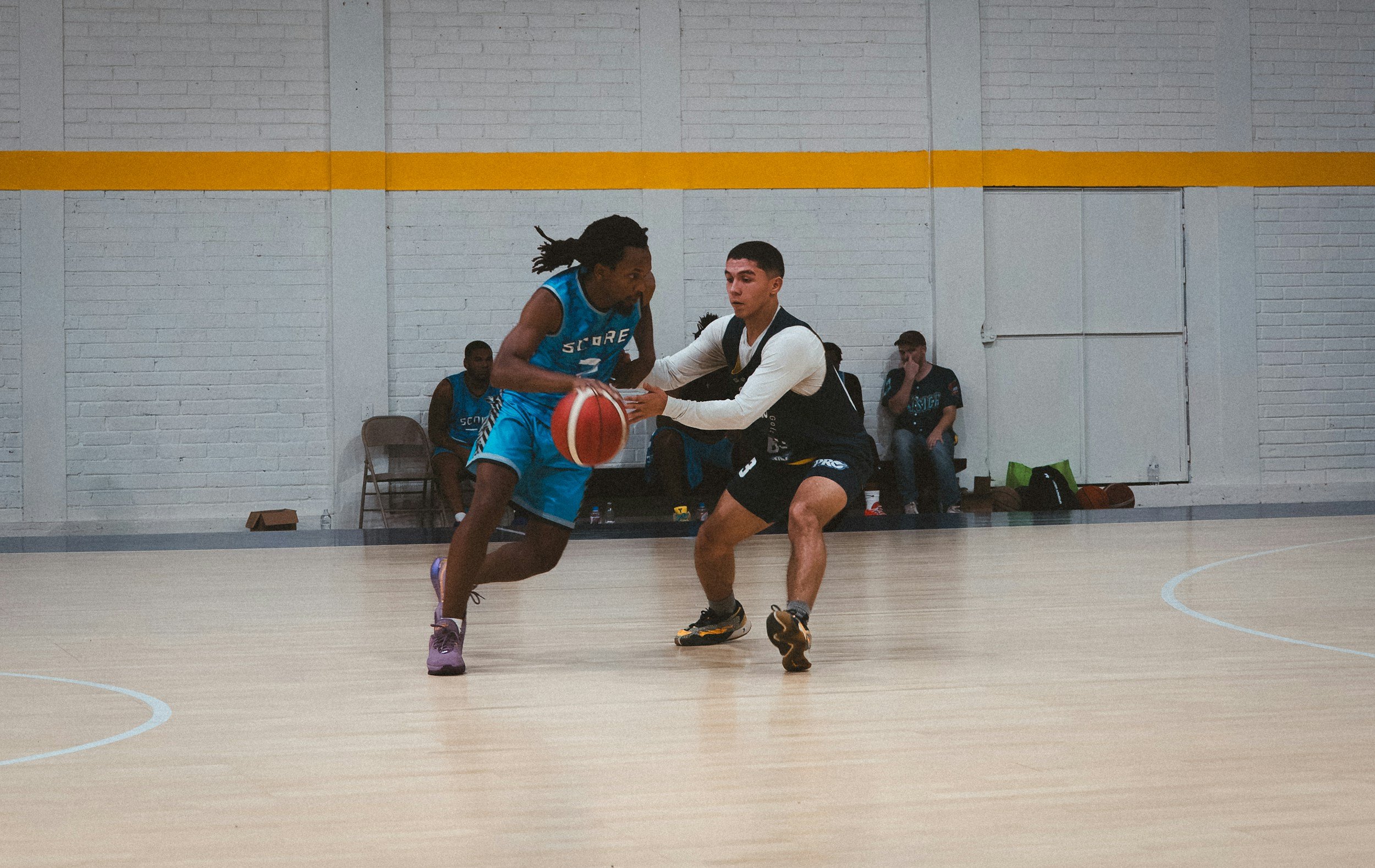
Frontal Plane
This plane involves side to side movement.
Examples include:
Lateral lunges
Side shuffles
Defensive slides in sports
Lateral band walks
Frontal plane strength helps with stability and change of direction.

Transverse Plane
This is where rotation happens.
Examples include:
Golf swings
Tennis and pickleball strokes
Baseball throws
Rotating while reaching or lifting
Changing direction while running
The transverse plane is where the body creates and controls rotational force. Unfortunately, it is also the plane that is most often neglected in traditional training programs.
⚠️ Why Athletes Get Injured Without Rotational Strength
When the body cannot create or control rotation effectively, something else has to compensate.
Often that compensation happens in areas that are not designed to handle large rotational forces.
Some common examples include:
A golfer generating swing power through the low back instead of the hips and thoracic spine
A runner experiencing excessive pelvic rotation due to poor core stability
A tennis or pickleball player placing too much stress on the shoulder instead of generating power through the hips and trunk
Over time these compensations can lead to issues like:
💥 Low back pain
💥 Hip pain
💥 Hamstring strains
💥 Knee irritation
💥 Shoulder injuries
At Living Well Physical Therapy & Performance, we frequently see athletes who have tried stretching, strengthening, or resting an injury without success. Once we address rotational mobility, strength, and control, symptoms often improve quickly because the body is finally moving the way it was designed to.
💪 Sports That Require Rotational Strength
Rotation is essential for both power generation and injury prevention in many sports and recreational activities common in the Milwaukee area.
Sports that rely heavily on rotational movement include:
🏌️ Golf
⚾ Baseball and softball
🎾 Tennis
🏓 Pickleball
🏒 Hockey
🏀 Basketball
🥍 Lacrosse
Even sports that appear mostly linear still rely on rotational control.
For example, runners need strong rotational stability to maintain efficient stride mechanics and reduce stress on the hips and knees while running on routes like the Oak Leaf Trail or Milwaukee’s lakefront paths.
Without rotational control, energy leaks occur in the movement system. This can reduce performance and increase the risk of injury.
🖐️ Five Exercises to Start Training Rotation
You do not need complicated movements to begin training rotational strength. The goal is to teach the body to create and control rotation through the hips and core rather than the low back.
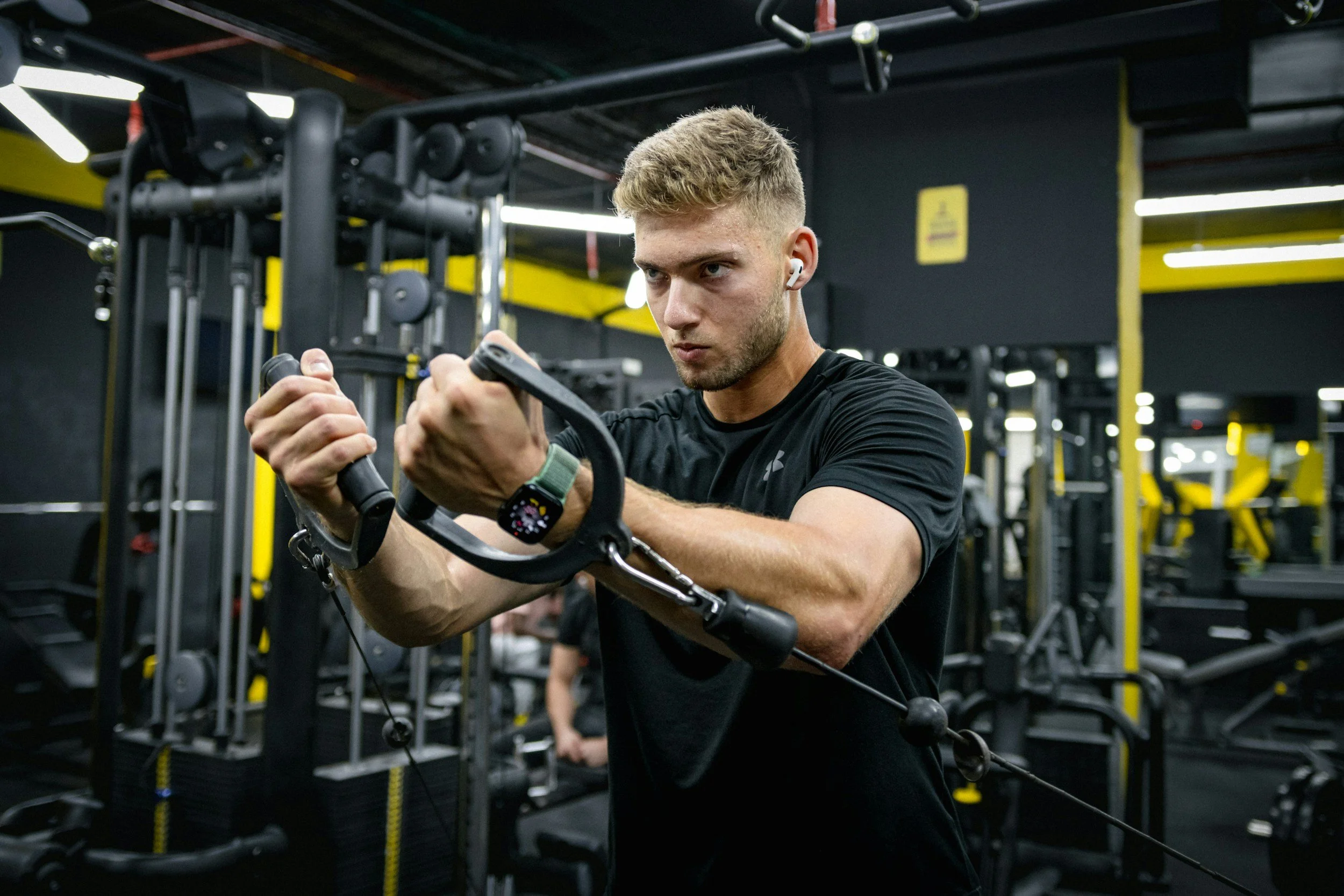
Here are five effective exercises we frequently prescribe at Living Well Physical Therapy & Performance.
This exercise teaches the body to transfer force from the lower body through the core and into the upper body.
It builds coordination between the hips, trunk, and shoulders while strengthening rotational patterns.
2. Cable or Band Rotations
Standing rotations help train controlled movement through the transverse plane while strengthening the obliques and deep core muscles.
Focus on initiating the movement through the hips and trunk rather than the arms.
3. Medicine Ball Rotational Throws
This is one of the best ways to build explosive rotational power.
Medicine ball throws mimic the force production needed in sports like golf, baseball, and tennis.
4. Rotational Lunges
This movement adds a rotational component to lower body training.
It challenges both strength and stability while teaching the body to control rotational forces through the hips.
5. Pallof Press
While this exercise does not create rotation, it trains the body to resist rotation, which is just as important.
Strong anti-rotational core control helps protect the spine and improves force transfer during athletic movement.
➡️ The Bottom Line
If your training program only focuses on forward and backward movement, you are missing an essential component of human performance.
Rotational strength allows the body to:
✅ Generate power
✅ Transfer force efficiently
✅ Protect the spine and joints
✅ Move more efficiently during sport and daily life
At Living Well Physical Therapy & Performance, we incorporate rotational training into both rehabilitation and performance programs to help athletes and active adults throughout Shorewood, Whitefish Bay, Fox Point, Bayside, River Hills, and Mequon stay healthy and perform at their best.
If you are dealing with recurring injuries or feel like your training has plateaued, improving your rotational strength may be the missing link.