Why Poor Rotational Strength Contributes to Low Back Pain in Active Adults
By a Doctor of Physical Therapy at LWPT & Performance
Low back pain is one of the most common complaints we see from active adults walking into Living Well Physical Therapy & Performance. Many people assume the problem is weakness in the back itself. But more often than not, the real issue is somewhere else, specifically poor rotational strength.
If you live an active lifestyle in Whitefish Bay, Shorewood, Fox Point, Bayside, or River Hills, and you are dealing with recurring back tightness after golf, tennis, running, or workouts, there is a good chance rotational limitations are playing a role.
As Doctors of Physical Therapy, we often explain it this way:
Your back usually is not the cause. It is the victim of poor movement elsewhere.
Let’s walk through how thoracic mobility, hip rotation, and core anti rotation strength influence low back pain and what we can do about it.
🔗 The Hidden Link Between Rotation and Low Back Pain
Most everyday movements happen forward and backward such as walking, sitting, and squatting. But sports and life rarely stay in a straight line.
Think about:
🏌️ Rotating to swing a golf club
🎾 Turning to hit a tennis ball
🏃 Rotating slightly with every running stride
🚼 Twisting to reach into the back seat of a car
🛍️ Turning to carry groceries
When the body lacks the ability to rotate efficiently, the lower back often compensates. Over time, that compensation leads to irritation, tightness, and pain.
This is especially common in active adults focused on Milwaukee golf performance, recovering from tennis injuries, or trying to improve running performance Milwaukee.
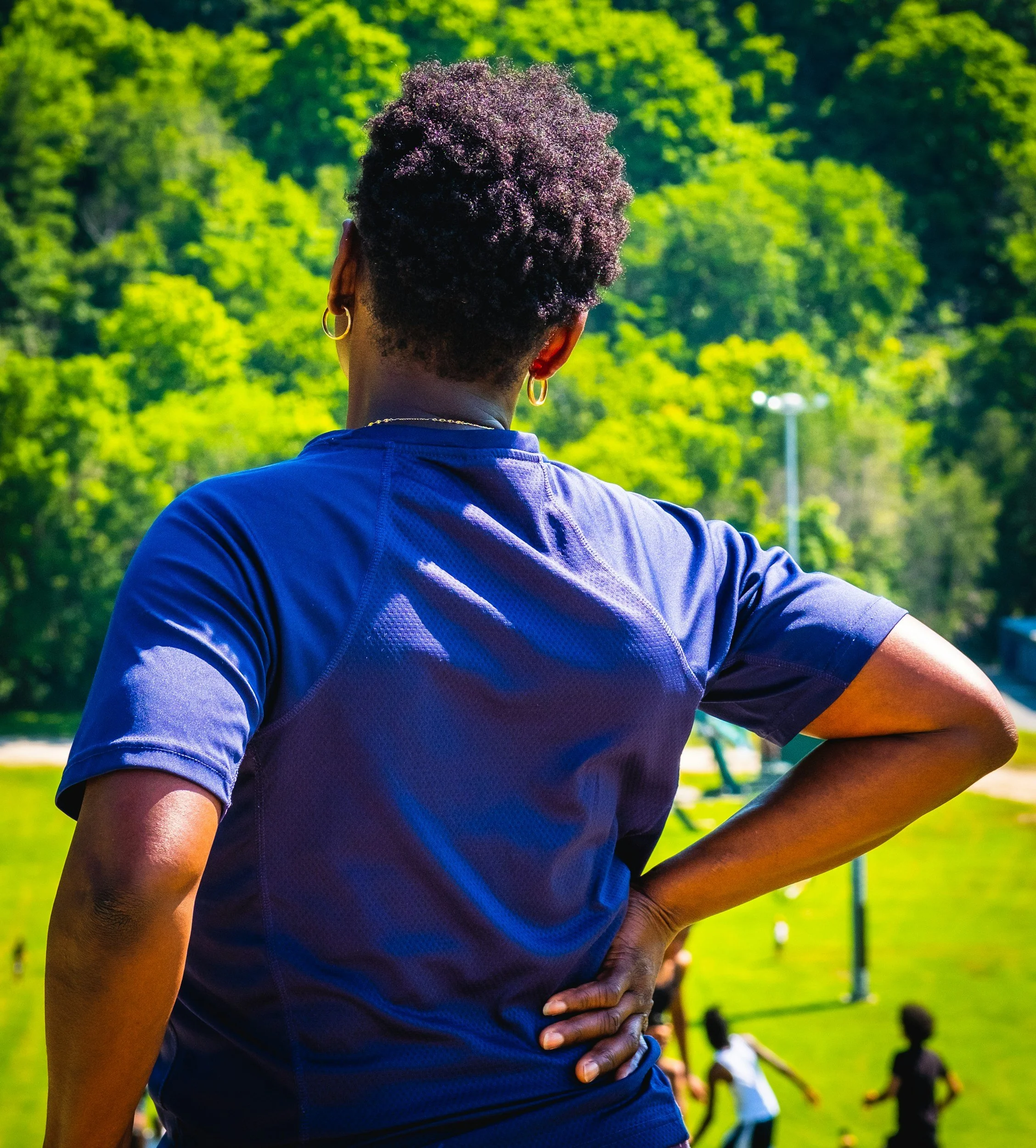
🏌️ Thoracic Mobility: When the Mid Back Stops Moving the Low Back Takes Over
What This Looks Like in Real Life
For golfers
Limited thoracic rotation often leads to over rotation through the lumbar spine during the backswing. This is a frequent contributor to low back discomfort seen in those working on Milwaukee golf performance.
For tennis players
Repetitive serving and rotational strokes demand upper body rotation. Without proper thoracic mobility, stress accumulates in the lower back, often alongside shoulder symptoms common in tennis injuries.
For runners
Running may look linear, but subtle trunk rotation is essential. Limited thoracic motion can increase fatigue and contribute to inefficient movement patterns affecting running performance Milwaukee athletes make all the difference.
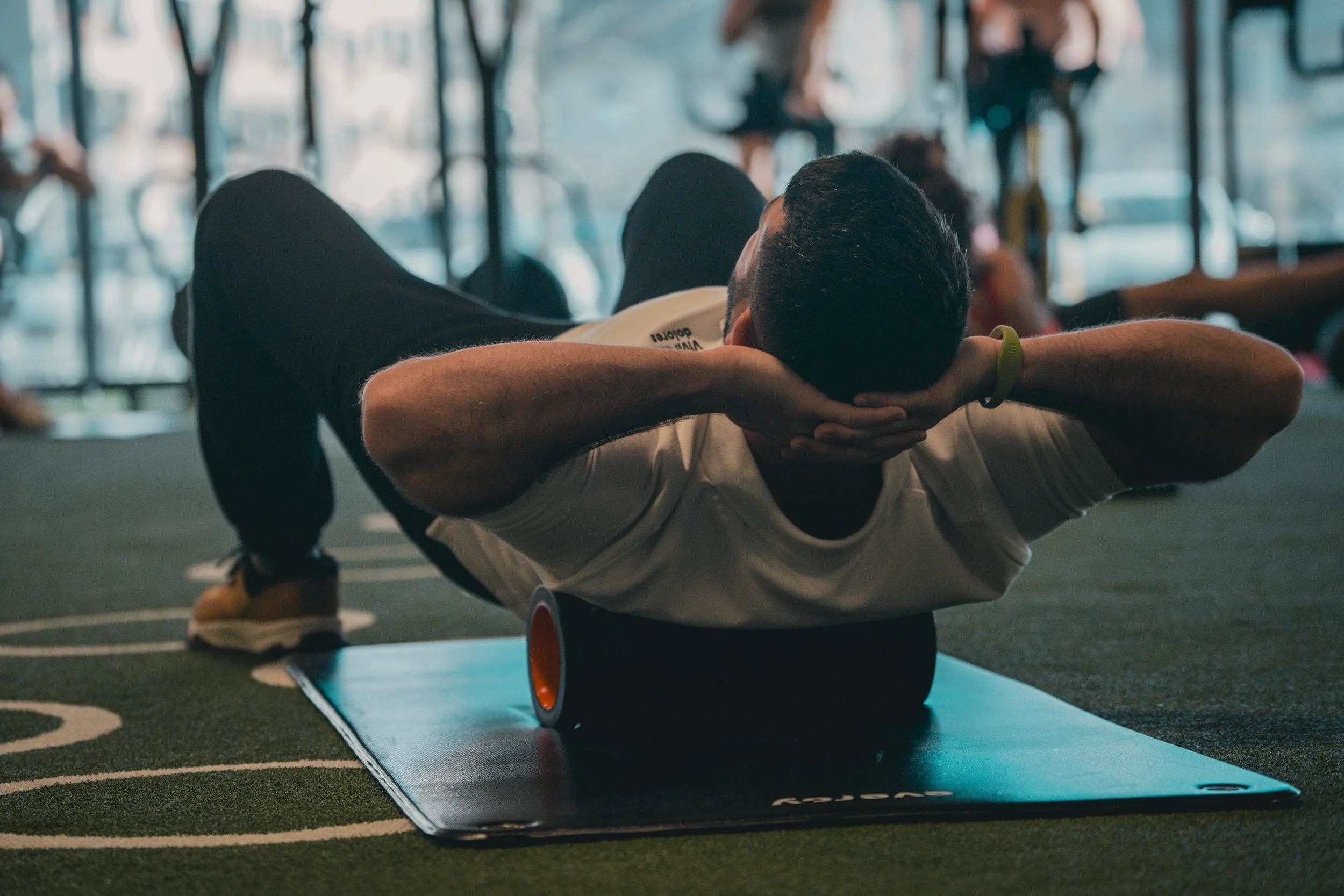
Exercises That Help Restore Thoracic Mobility
These exercises help shift movement back where it belongs, the mid back instead of the lower back.
🕺 Hip Rotation: The Power Source That Protects Your Back
The hips are responsible for producing rotational force. When hip mobility is limited, the body compensates upward into the lumbar spine.
Over time, this creates:
Increased strain on the lower back
Reduced efficiency in movement
Greater risk of injury
This is one of the most common contributors to low back pain in active adults across Whitefish Bay, Shorewood, Fox Point, Bayside, and River Hills.
Why Hip Rotation Matters
For golfers
A smooth golf swing relies heavily on hip rotation. Without it, the lower back absorbs rotational forces that it was not designed to handle.
For tennis players
Explosive direction changes and rotational strokes require strong and mobile hips. Limited hip rotation frequently contributes to both back pain and lower extremity tennis injuries.
For runners
Efficient stride mechanics depend on controlled hip rotation. Restrictions here can increase stress on the lumbar spine, especially during longer runs along local Milwaukee routes.
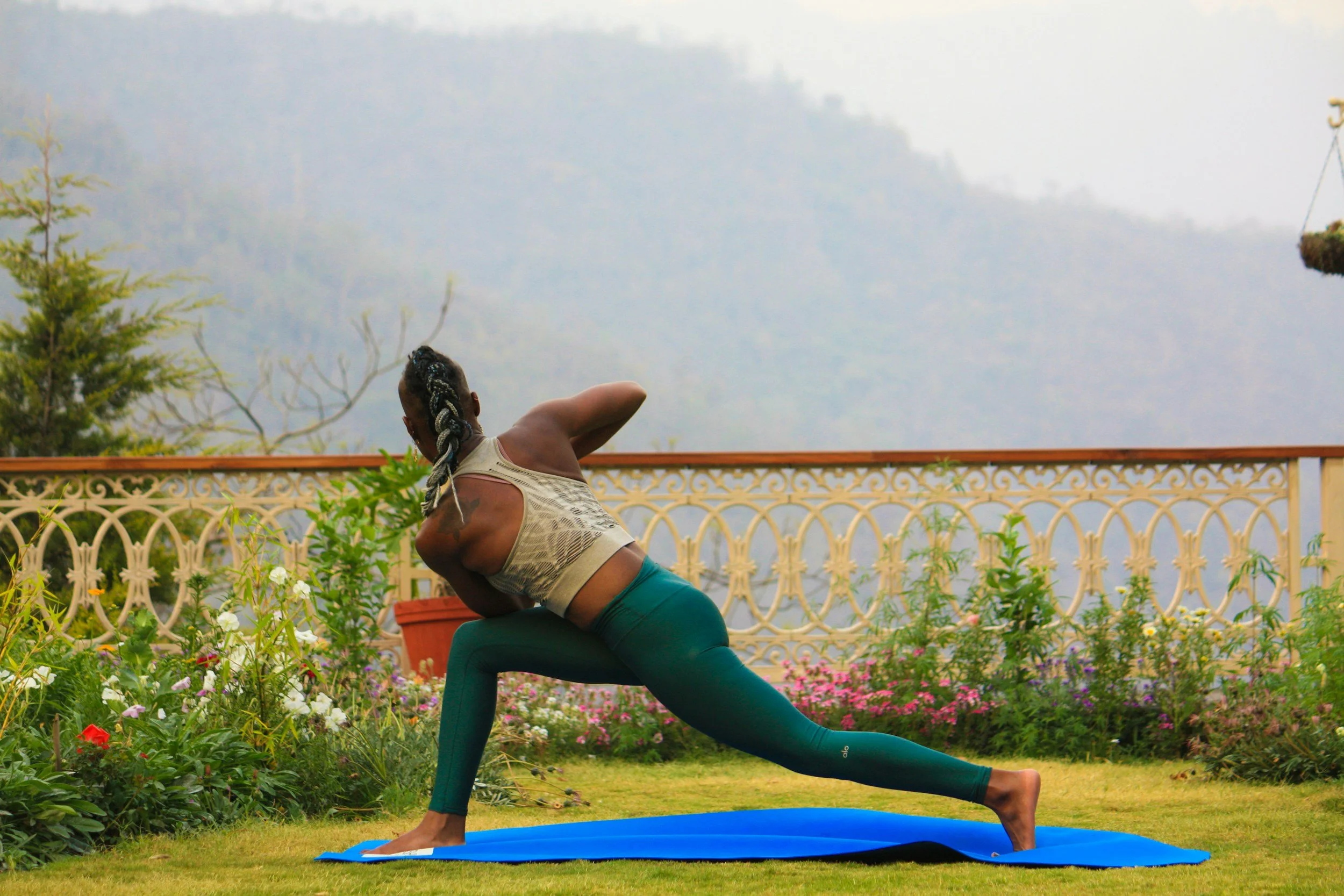
Exercises That Improve Hip Rotation
These drills help restore proper motion and reduce compensatory stress on the lower back.
🤯 Core Anti Rotation: The Stabilizer That Keeps Your Back Safe
One of the biggest misconceptions about core training is that it is all about movement such as crunches, sit ups, or twisting exercises.
In reality, the core’s most important job is resisting unwanted motion.
That is where anti rotation strength comes in.
A strong anti rotation core allows:
Efficient force transfer
Reduced stress on the spine
Better movement control
When this system is weak, the lower back becomes unstable under load, leading to pain.
Why Anti Rotation Matters
For golfers
Core stability controls rotational speed and protects the spine during powerful swings.
For tennis players
Strong anti rotation strength reduces stress on the spine during high velocity strokes, especially in athletes managing tennis injuries.
For runners
Core stability helps maintain posture and prevents excessive rotation, supporting better running performance Milwaukee runners.
Exercises That Build Anti Rotation Strength
Pallof press
Dead bugs
Bird dogs
Farmer carries
These exercises strengthen your ability to control movement and protect your spine during daily and athletic tasks.
➡️ The Real Problem: Poor Rotational Sequencing
One of the most important concepts we focus on in the clinic is movement sequencing, which refers to how the hips, core, and upper body work together.
The ideal sequence looks like this:
Hips initiate movement
Core transfers force
Thoracic spine rotates
Arms and upper body follow
When this sequence breaks down, the lower back often tries to compensate, leading to repeated stress and discomfort.
This pattern is something we commonly identify in active adults throughout Whitefish Bay, Shorewood, Fox Point, Bayside, and River Hills.
⚠️ Signs Poor Rotational Strength May Be Contributing to Your Back Pain
Low back pain linked to rotational limitations often presents with:
🔺Tightness after golf or tennis
🔺Back discomfort after long runs
🔺Stiffness when rotating or twisting
🔺Pain that improves temporarily but keeps returning
🔺Feeling tight rather than sharply injured
🔺Difficulty generating power during movement
If this sounds familiar, rotational strength may be the missing piece.
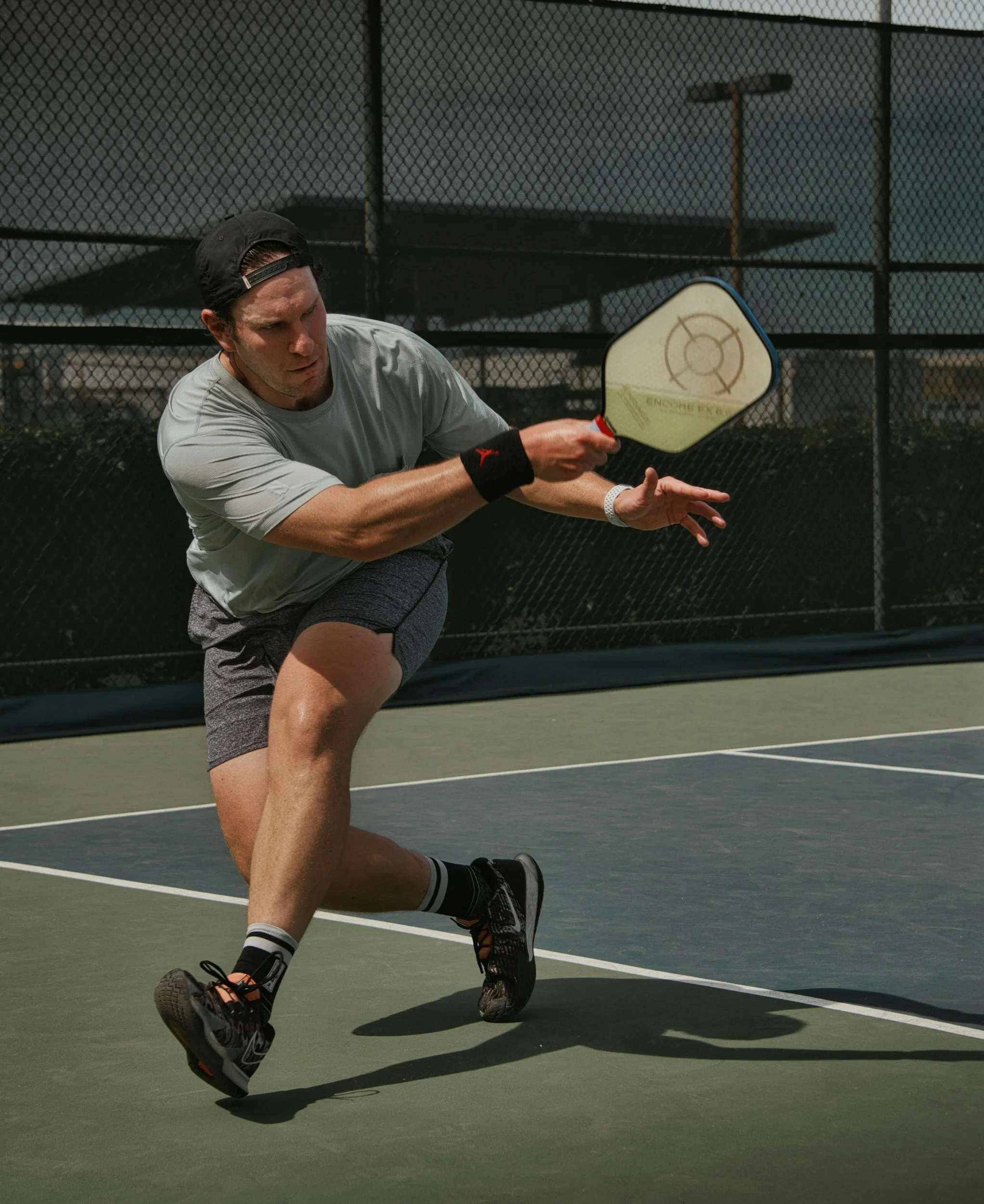
❤️🩹 How Improving Rotational Strength Reduces Low Back Pain
Most low back pain is not caused by one major injury. Instead, it develops from repeated stress placed on tissues that are not prepared for the load.
When we improve rotational strength, we often see:
✅ Reduced strain on the lumbar spine
✅ Improved movement efficiency
✅ Better force distribution through the hips and core
✅ Fewer recurring flare ups
✅ Greater confidence during activity
For those focused on Milwaukee golf performance, managing tennis injuries, or improving running performance Milwaukee, rotational training often plays a major role in long term relief.
❤️🩹 How Improving Rotational Strength Reduces Low Back Pain
Most low back pain is not caused by one major injury. Instead, it develops from repeated stress placed on tissues that are not prepared for the load.
When we improve rotational strength, we often see:
✅ Reduced strain on the lumbar spine
✅ Improved movement efficiency
✅ Better force distribution through the hips and core
✅ Fewer recurring flare ups
✅ Greater confidence during activity
For those focused on Milwaukee golf performance, managing tennis injuries, or improving running performance Milwaukee, rotational training often plays a major role in long term relief.
🤲 Bringing It All Together
If there is one message we want you to take away, it is this:
Low back pain is rarely just a back problem. It is often a movement problem.
When thoracic mobility, hip rotation, and core anti rotation strength work together, your body becomes more efficient, more resilient, and less prone to injury.
That is why rotational strength training is a key part of how we help active adults return to the activities they love.
🆘 When to Seek Help
If you are experiencing:
🔺Recurrent low back pain
🔺Tightness that keeps returning after activity
🔺Pain with rotation or twisting
🔺Difficulty improving performance despite training
🔺Discomfort during golf, tennis, or running
It may be time for a movement assessment.
At Living Well Physical Therapy & Performance, we help active adults across Whitefish Bay, Shorewood, Fox Point, Bayside, and River Hills identify the true causes of their pain and build stronger, more resilient movement patterns.
💡 Final Thoughts
Poor rotational strength is one of the most overlooked contributors to low back pain in active adults.
When we restore mobility in the thoracic spine, improve hip rotation, and strengthen core anti rotation control, we often see meaningful improvements not just in pain levels, but in overall performance.
Whether you are working toward better Milwaukee golf performance, recovering from tennis injuries, or aiming to improve running performance Milwaukee, improving rotational strength may be the key to feeling and moving better for the long run.