Overhead Strength After 30
How to Train Your Shoulders Without Fear
By a Doctor of Physical Therapy at Living Well Physical Therapy and Performance
As Doctors of Physical Therapy at Living Well Physical Therapy & Performance, one of the most common things we hear from adults in their 30s, 40s, and early 50s across Milwaukee’s North Shore is some version of this:
“My shoulders just don’t like overhead lifting anymore.” or “I know I should be stronger, but overhead stuff feels risky.”
If you live an active life in Whitefish Bay, Shorewood, Fox Point, Bayside, River Hills, or Mequon, whether that means strength training, CrossFit, tennis, golf, yard work, or keeping up with your kids, overhead shoulder strength matters more than most people realize.
The good news is this: overhead training after 30 is not dangerous. It just needs to be done with intention.
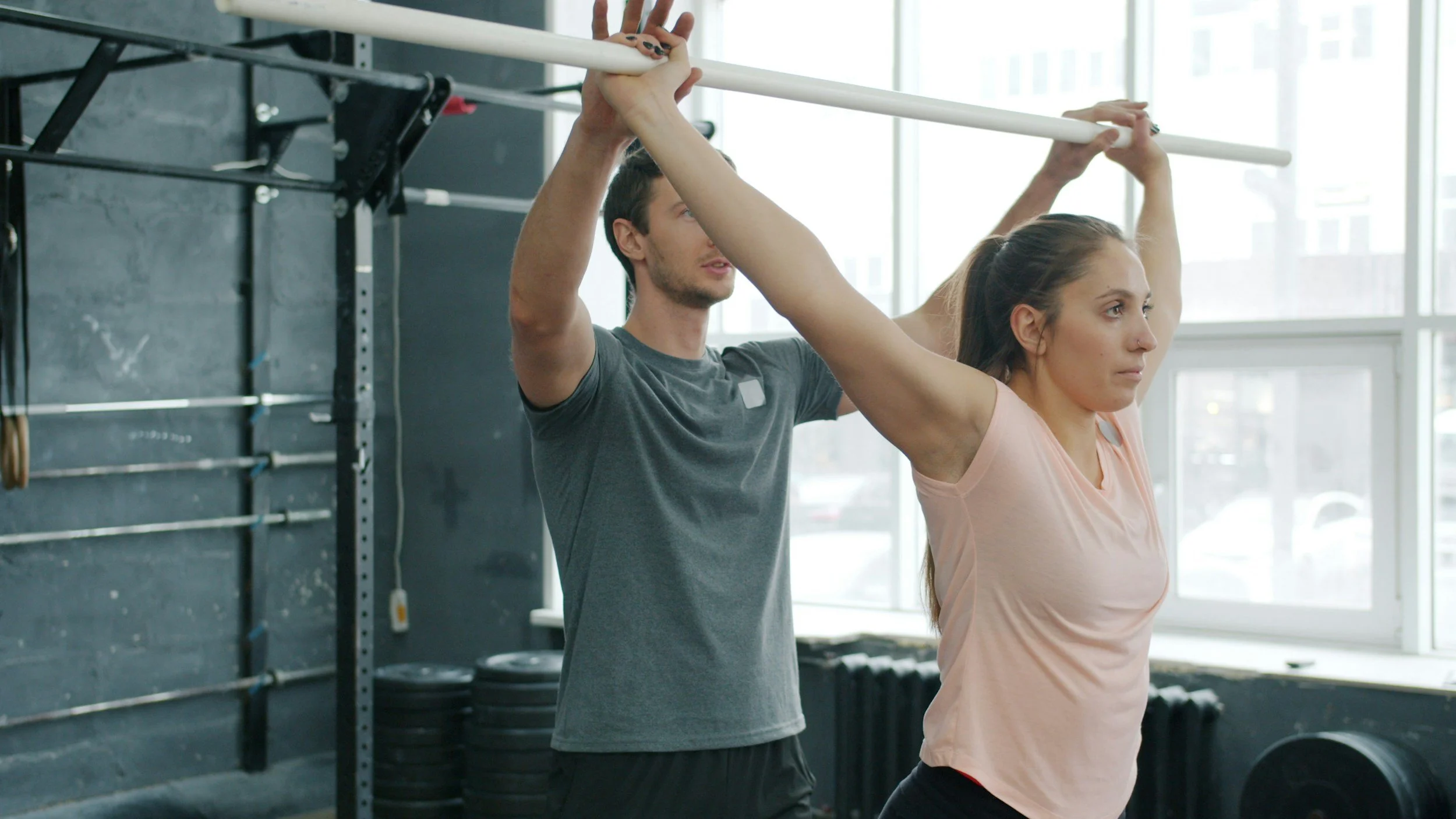
Why Overhead Strength Feels Different After 30
Around this stage of life, a few things tend to shift.
Many people are sitting more for work. Training may not be as consistent as it once was. Old injuries start to make themselves known. Recovery takes a little longer than it used to.
What often gets labeled as aging shoulders is really a combination of decreased strength, reduced tolerance to load, and movement habits that no longer support overhead motion well. This is something we commonly see in active adults seeking physical therapy on Milwaukee’s North Shore.
That does not mean shoulders are fragile. It means they have not been prepared for what is being asked of them.
The Biggest Myth We Hear About Shoulder Training
One of the most common beliefs we hear in our physical therapy clinic is that overhead lifting is bad for your shoulders after 30.
In reality, avoiding overhead strength is often what leads to shoulder pain.
Your shoulders are designed to move overhead. Reaching into cabinets, lifting luggage into an overhead bin, shoveling snow, lifting weights, and pressing objects all require overhead capacity. When we stop training that range, we lose strength and confidence there. Then the first time life or the gym asks for it, the shoulder pushes back.
Strength creates safety. Avoidance creates sensitivity.
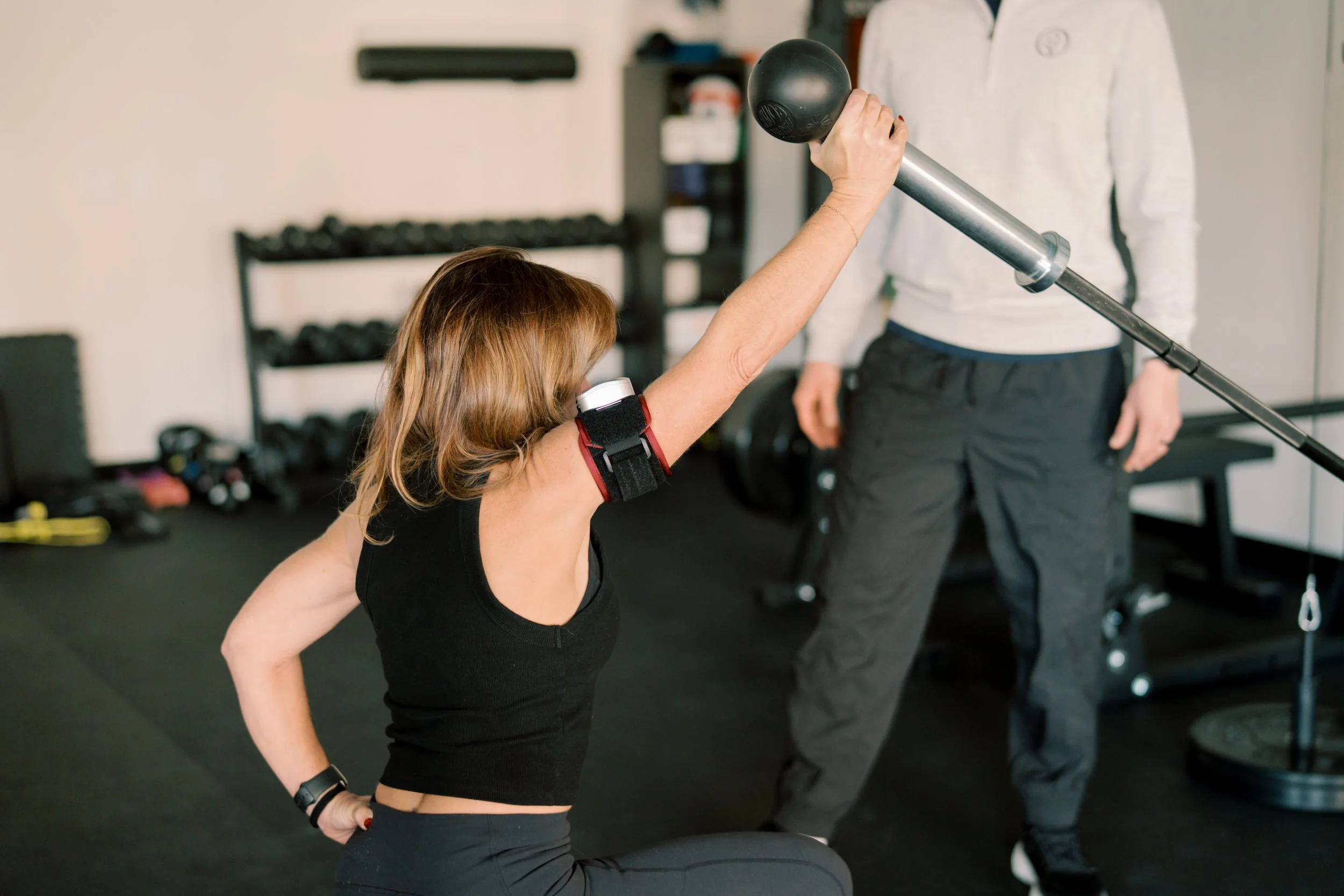
What Healthy Overhead
Shoulder Training Actually Looks Like
Training your shoulders well is not about forcing heavy weights overhead or pushing through pain. It is about building capacity gradually and intelligently.
Healthy overhead shoulder strength focuses on:
Shoulder blade control
Upper back mobility
Gradual and progressive exposure to load
When these pieces are in place, overhead movements stop feeling intimidating and start feeling empowering. This approach is especially important for adults in their 30s to 50s who want to stay active, lift weights, and avoid shoulder injuries long term.
Pain Does Not Automatically Mean Damage
This is one of the most important mindset shifts we help people make in physical therapy.
Discomfort during or after overhead activity does not automatically mean something is injured. Often it means the shoulder is being asked to do more than it is currently prepared to handle.
Instead of asking “Should I stop lifting overhead forever?” a better question is “What do I need to build so this feels better?”
That is where working with a Doctor of Physical Therapy can make all the difference.
How We Approach Overhead Strength at Living Well
At Living Well Physical Therapy & Performance, we help active adults across Milwaukee’s North Shore, including Mequon, Bayside, River Hills, Fox Point, Shorewood, and Whitefish Bay, train their shoulders without fear.
We do not believe in blanket restrictions or telling people to avoid overhead movement forever.
We look at how you move, how you train, your injury history, and your goals. From there, we help you build shoulder strength in a way that fits your body and your lifestyle.
That may mean starting with landmine presses instead of straight overhead presses. It may mean improving upper back mobility so the shoulders are not doing all the work. It may mean slowing things down and rebuilding control before increasing load.
The goal is not to avoid overhead movement. The goal is to make it feel strong, confident, and sustainable.

Make it stand out
If You Are Hesitant About Overhead Lifting, You Are Not Alone
Many adults we work with in the North Shore community want to stay active but feel unsure about overhead movements because of past shoulder pain or injuries.
You are not broken. Your shoulders are not too old. They simply need the right support and guidance.
Overhead strength is not about proving something in the gym. It is about keeping your body capable for everyday life and long term health.
Final Thoughts
After 30, shoulder training is not about chasing personal records. It is about building resilience.
When overhead strength is trained with intention, it protects your joints, improves confidence, and allows you to keep doing the activities you enjoy without fear holding you back.
If overhead movements feel uncomfortable or intimidating, that is not a sign to stop. It is a sign to approach things differently.
And that is exactly where we can help.
Feel Better. Move Better. Live Well.
Living Well Physical Therapy & Performance