Progress, Not Perfection — How to Track Strength, Mobility, and Performance Without Obsessing Over Numbers
By the Doctors of Physical Therapy at Living Well Physical Therapy and Performance
If you are doing your best to stay active while juggling work, family, and everything else, this probably resonates.
✔️ You want to stay strong.
✔️ You want to move without pain.
✔️ You want to perform well at work, in the gym, and in life.
But somewhere along the way, tracking progress can turn into pressure. Numbers start to run the show. Step counts. Weights lifted. Pace. Calories. Flexibility scores. Before you know it, movement feels more like a test than something that supports your life.
At Living Well Physical Therapy and Performance, we help active adults reframe progress so it works for their body, schedule, and long term health. Because the truth is, progress drives results. Perfection drives burnout.
Why Perfection Fails Active Adults
Perfection based goals often sound like this:
Hit every workout exactly as planned
🔻Never miss a session
🔻Increase weight every week
🔻Eliminate all pain
Real life does not work that way, especially for busy professionals balancing careers, families, stress, and sleep.
When perfection becomes the goal, people often experience:
😤 Increased frustration
🤔 Inconsistent training
🤕 Higher injury risk
💯 All or nothing thinking
Progress based thinking is different. It allows flexibility while still moving forward.
What Progress Actually Looks Like in Performance Physical Therapy
In performance physical therapy, progress is not just about numbers on a spreadsheet. It is about how your body adapts over time.
We look at improvements in areas like:
Movement quality
Joint control and stability
Strength tolerance
Recovery time
Confidence with movement
Consistency across weeks
For many active adults, these markers matter far more than hitting a specific weight or pace.
Smarter Ways to Track Strength Without Obsessing
Strength progress does not have to mean adding weight every session.
Instead, pay attention to:
➡️ How strong you feel during daily tasks
➡️ Improved control during lifts
➡️ Less joint irritation after workouts
➡️ Faster recovery between sessions
➡️ Better technique with the same load
If your body is tolerating training better, you are getting stronger. Even if the numbers move slowly.
This approach is foundational in performance physical therapy because it protects joints while still driving adaptation.

Mobility Progress Is About Control, Not Just Range
Many active professionals think mobility equals flexibility. But mobility is about how well you control movement, not just how far you can stretch.
Signs your mobility is improving include:
✅ Smoother squats or lunges
✅ Less stiffness after sitting or traveling
✅ Better posture under load
✅ Improved balance and coordination
✅ Reduced compensations during movement
You do not need extreme ranges of motion to move well. You need usable range that your body can control.
Performance Is More Than Athletic Output
Performance for active adults looks different than it does for elite athletes.
Performance may mean:
⭐ Playing recreational sports without pain
⭐ Training consistently without flare ups
⭐ Keeping up with kids or weekend activities
⭐ Having energy after a long workday
⭐ Feeling confident in your body
If those things are improving, your performance is improving, even if no one is handing you a medal.
Use Trends, Not Snapshots
One of the biggest mistakes we see is overreacting to a single workout or week.
Progress should be evaluated over weeks and months, not days.
Ask yourself:
Am I more consistent than last month?
Do I recover better than I did before?
Is pain less frequent or less intense?
Does movement feel easier overall?
If the trend is moving forward, you are on the right path.
Why This Approach Prevents Injury
Obsessing over numbers often leads to pushing through fatigue or ignoring early warning signs.
Progress focused training allows room to adjust, modify, and recover. This is one of the reasons performance physical therapy is so effective for active professionals.
It prioritizes:
🔹Longevity
🔹Joint health
🔹Sustainable strength
🔹Adaptability
The goal is not short term wins. The goal is a body that holds up over decades.
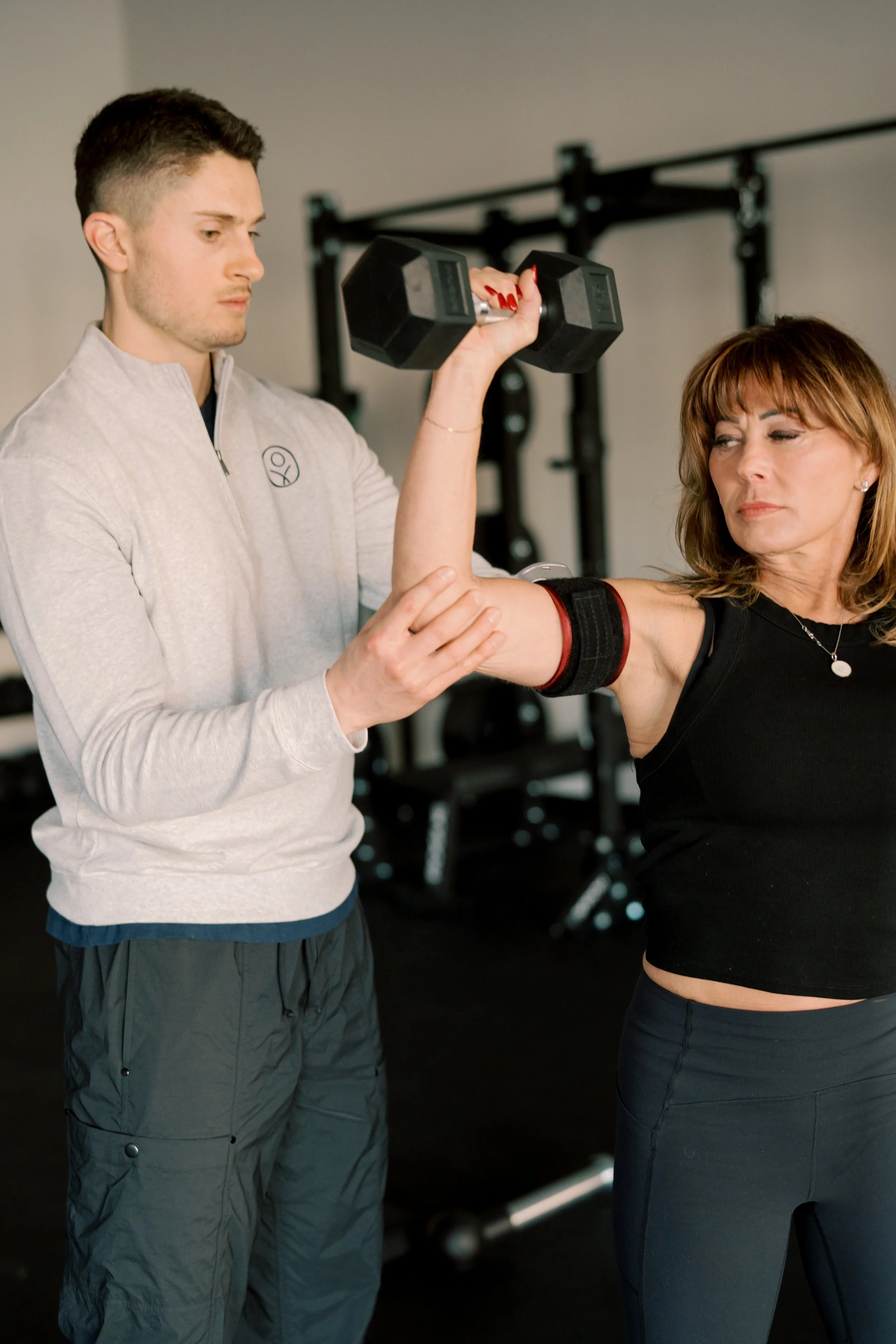
How Living Well Physical Therapy and Performance Helps
At Living Well Physical Therapy and Performance, we work with active professionals throughout Whitefish Bay, Shorewood, Bayside, Mequon, and Milwaukee’s North Shore.
Our Doctors of Physical Therapy help you:
🌟 Create realistic performance goals
🌟 Track progress without pressure
🌟 Build strength and mobility safely
🌟 Prevent injuries before they happen
🌟 Stay active despite a busy schedule
We believe the best programs are the ones you can stick with.
The Takeaway
You do not need perfect workouts or perfect numbers.
You need consistency.
You need awareness.
You need a plan that fits your life.
Progress is not about doing everything right. It is about doing the right things often enough to move forward.
If you want to build strength, improve mobility, and perform better without burning out, performance physical therapy can help guide the process.
Ready to Train Smarter
If you are an active professional looking for performance physical therapy in Milwaukee’s North Shore, our team is here to support you.
Schedule a movement or performance assessment at Living Well Physical Therapy and Performance and learn how to track progress in a way that supports your body and your life.
Feel better. Move better. Live Well.