From Treadmill to Pavement: How to Start Strong and Stay Injury-Free
By the Doctors of Physical Therapy at LWPT & Performance
For runners across Milwaukee’s North Shore, March marks a familiar transition. After months of treadmill miles, warmer temperatures and clear sidewalks make outdoor running feel possible again, and exciting.
At LWPT & Performance, we work with runners throughout Milwaukee, Whitefish Bay, Shorewood, Fox Point, Bayside, River Hills, and Mequon who are eager to get back outside but want to do it without getting injured.
Each spring, we also see a predictable rise in running-related injuries tied to making this transition too quickly. The good news is that most of these injuries are preventable with the right strategy.
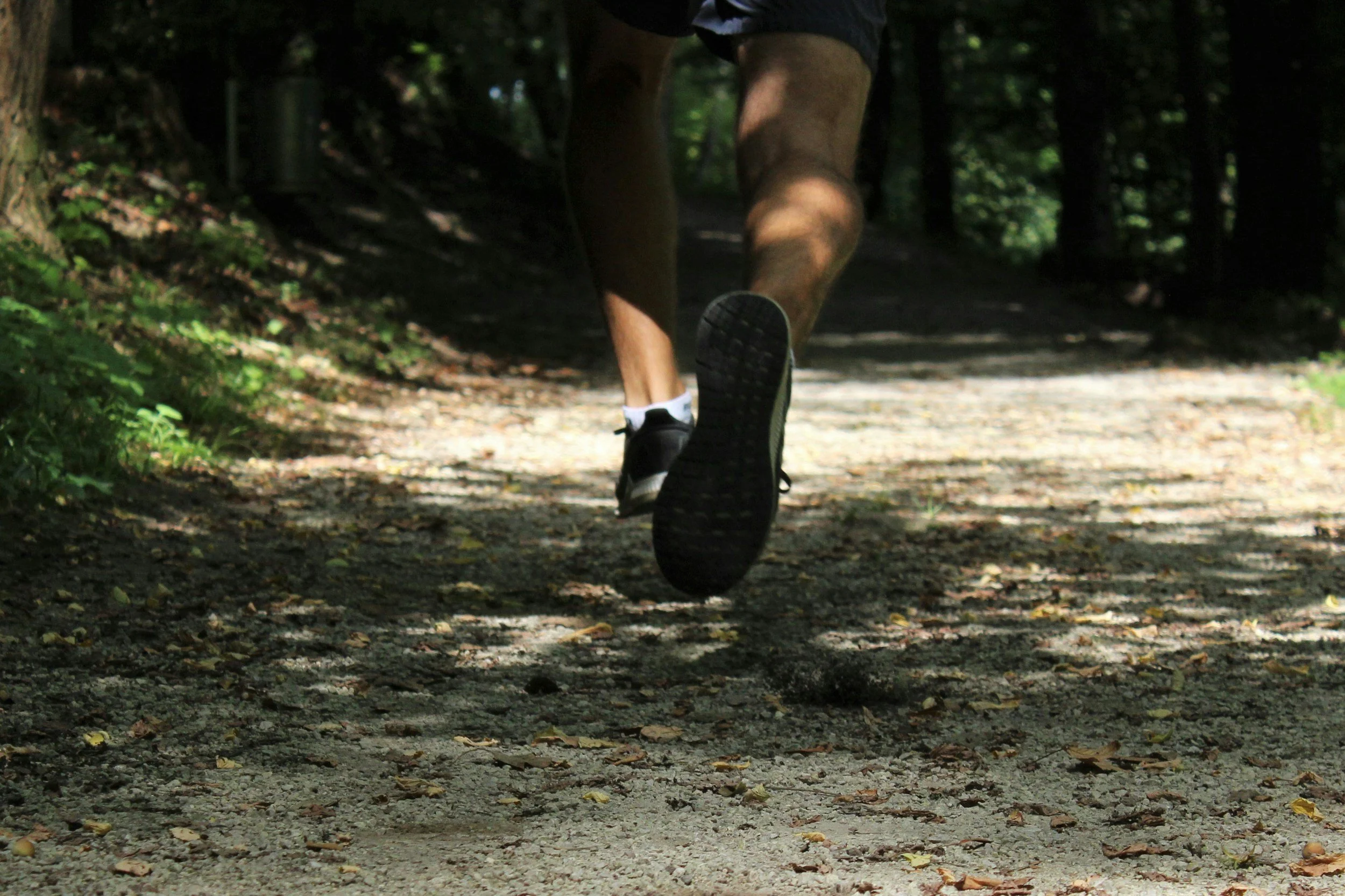
Why Outdoor Running Feels Harder Than the Treadmill
Even if you’ve stayed consistent all winter, outdoor running places different demands on your body than treadmill running.
Common differences include:
Increased impact forces from concrete and asphalt
Wind resistance, especially near Lake Michigan
Uneven sidewalks, sloped roads, and subtle hills
No treadmill belt assisting your pace
For runners in the North Shore suburbs, where routes often include rough roads and long stretches of sidewalk, these factors can significantly increase stress on the calves, knees, hips, and lower back.
Step 1: Slow Your Pace When Returning to Outdoor Running
One of the most common mistakes we see in runners returning to outdoor running is maintaining treadmill pace right away.
What we recommend:
Slow your outdoor pace by 10–20 seconds per mile
Reduce your usual distance for the first 1–2 weeks
Focus on perceived effort instead of speed
This gradual transition helps reduce common injuries such as Achilles tendinopathy, plantar fasciitis, and knee pain.
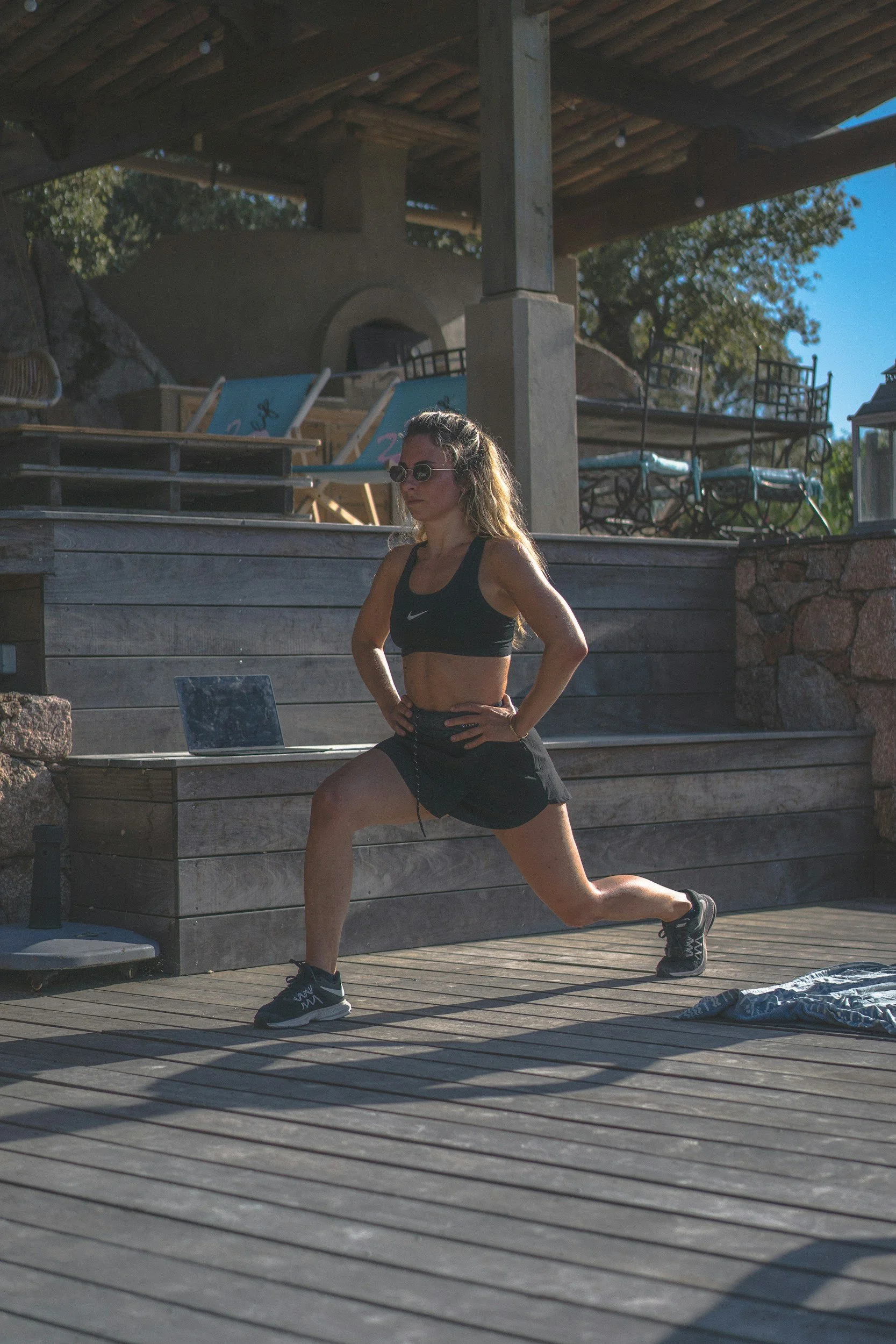
Step 2: Warm Up for Wisconsin Spring Weather
Early spring mornings in the Milwaukee area are often cold, even when the sun is out. Cold muscles are more vulnerable to strain.
A simple 5–7 minute dynamic warm-up:
Brisk walking or easy jogging
Leg swings (front-to-back and side-to-side)
Walking lunges
Calf raises
Runners who skip warm-ups are far more likely to experience muscle tightness and overuse injuries.
Step 3: Rotate Routes and Running Surfaces
Many runners in Whitefish Bay, Shorewood, and surrounding communities follow the same neighborhood loops day after day. Over time, this can create repetitive stress, especially if the road slopes consistently in one direction.
To reduce injury risk:
Alternate routes during the week
Switch directions on out-and-back runs
Mix in softer surfaces like gravel paths when available
Small route changes can help protect your joints and improve longevity.
Step 4: Strength Training Is Key for Runners Over 40
We often hear runners say pain is “just part of getting older.” From a physical therapy standpoint, that’s rarely true.
Most running injuries are linked to strength deficits, not age.
Key areas runners should strengthen:
Core muscles
Calves and ankles
Just two strength-training sessions per week can improve running efficiency, reduce injury risk, and help runners in Mequon, Bayside, and River Hills stay consistent year-round.
Step 5: Recognize Early Signs of Running Injury
Some soreness is normal when transitioning outdoors. Pain that persists or worsens is not.
Warning signs we encourage runners not to ignore:
Pain that increases during a run
Changes in stride due to discomfort
Pain lasting longer than 48 hours after running
Early intervention often prevents long layoffs from running.
Step 6: Progress Gradually for Long-Term Success
Spring motivation can be powerful, but increasing mileage too quickly is one of the most common causes of running injuries we treat.
General progression guidelines:
Increase total weekly mileage by no more than 10%
Balance harder runs with easy recovery days
Treat rest days as part of your training, because they ARE.
Consistency is the foundation of long-term running success.
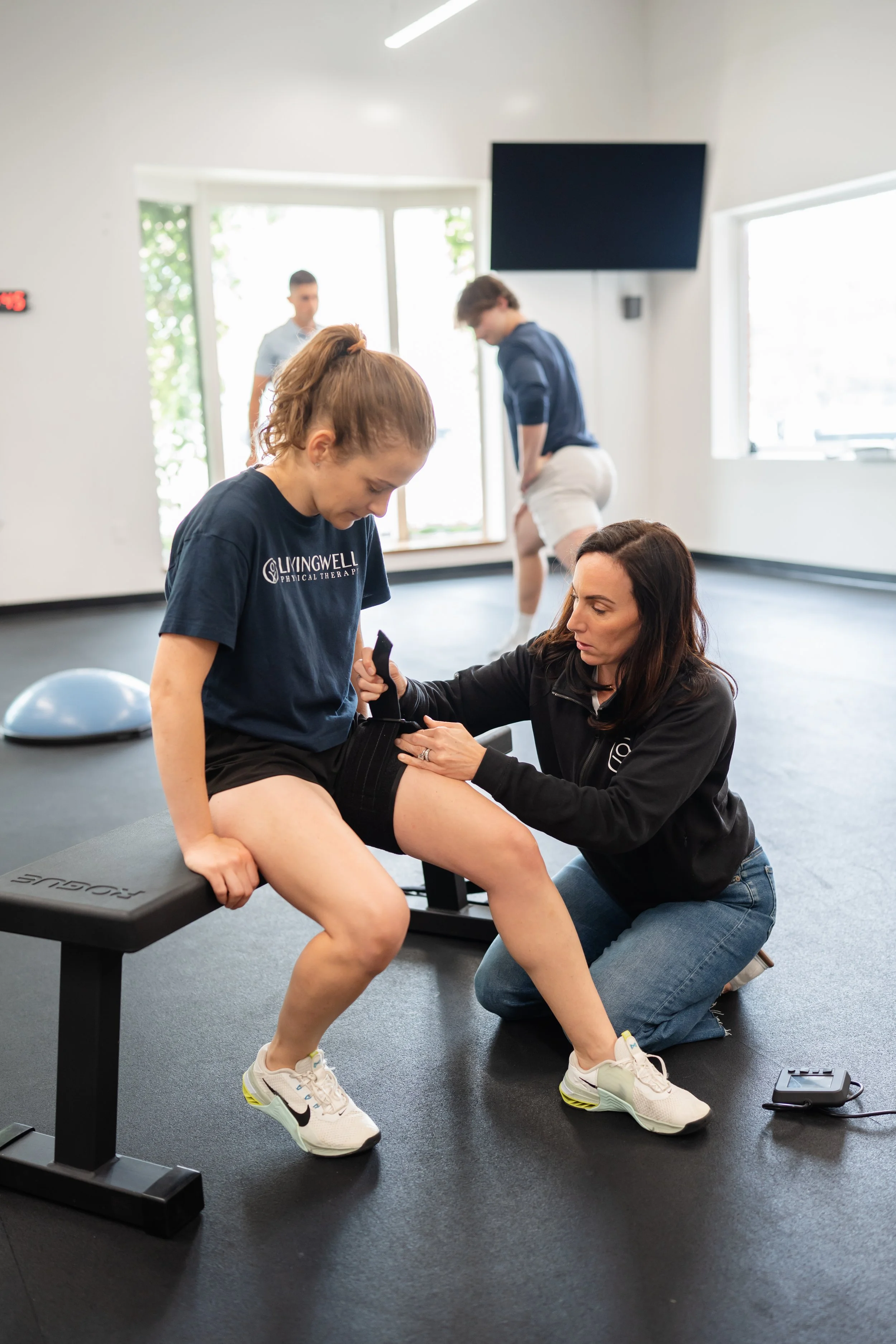
When to Consider Physical Therapy for Runners
If you’re experiencing recurring pain, stiffness, or uncertainty about your training, a running-specific physical therapy assessment can help. At LWPT & Performance, we work with runners throughout Milwaukee’s North Shore to identify movement patterns, strength deficits, and training errors before they turn into chronic injuries.
Final Thoughts
Transitioning from treadmill to pavement is one of the most rewarding parts of spring running, but only when it’s done intentionally. By adjusting your pace, warming up properly, rotating routes, and building strength, you can enjoy outdoor running while staying injury-free.
If you’re a runner in Milwaukee, Whitefish Bay, Shorewood, Fox Point, Bayside, River Hills, or Mequon and want expert guidance, our Doctors of Physical Therapy at LWPT & Performance are here to help you run strong this season and beyond.