The Best Strength Training Program for Runners
By a Doctor of Physical Therapy at LWPT & Performance
If you’re a runner, you’ve probably heard that strength training is important. But when you’re juggling work, family, and trying to squeeze in a few runs each week, it’s easy to wonder: Do I really need to lift weights too?
The short answer is yes. If you want to run stronger, stay injury free, and keep running for years to come, strength training should be part of your routine.
At Living Well Physical Therapy & Performance, we work with runners across Milwaukee’s North Shore including Shorewood, Whitefish Bay, Fox Point, Bayside, River Hills, and Mequon, and one of the most common questions we hear is:
“What is the best strength training program for runners?”
The truth is, the best program is not complicated. It is consistent, targeted, and designed to support the demands of running.
Below we break down exactly what runners need from a strength program and how to implement it.

Why Strength Training Matters for Runners
Running is a repetitive sport. Every mile you run includes more than 1,500 steps per leg, which means even small weaknesses or imbalances can add up quickly.
Research consistently shows that strength training helps runners:
Reduce injury risk
Improve running economy, meaning you use less energy at the same pace
Increase power and speed
Maintain better form as fatigue sets in
Many of the runners we see at our Milwaukee area physical therapy clinic come in with common issues like:
Runner’s knee
Achilles tendon pain
Plantar fasciitis
IT band irritation
Hip or low back pain
In many cases, these injuries are linked to insufficient strength in key muscle groups, particularly the hips, glutes, and calves.
Strength training helps build the resilience your body needs to handle miles on pavement, trails, or treadmills.
The Biggest Strength Training Mistake Runners Make
The most common mistake runners make is focusing only on light band exercises or basic core work.
While those exercises have their place, runners benefit most from progressive strength training, meaning exercises that gradually increase load and challenge your muscles over time.
Think about movements such as:
Squats
Deadlifts
Lunges
Step ups
Single leg work
Running itself is essentially a series of single leg jumps, so your strength training should reflect that.
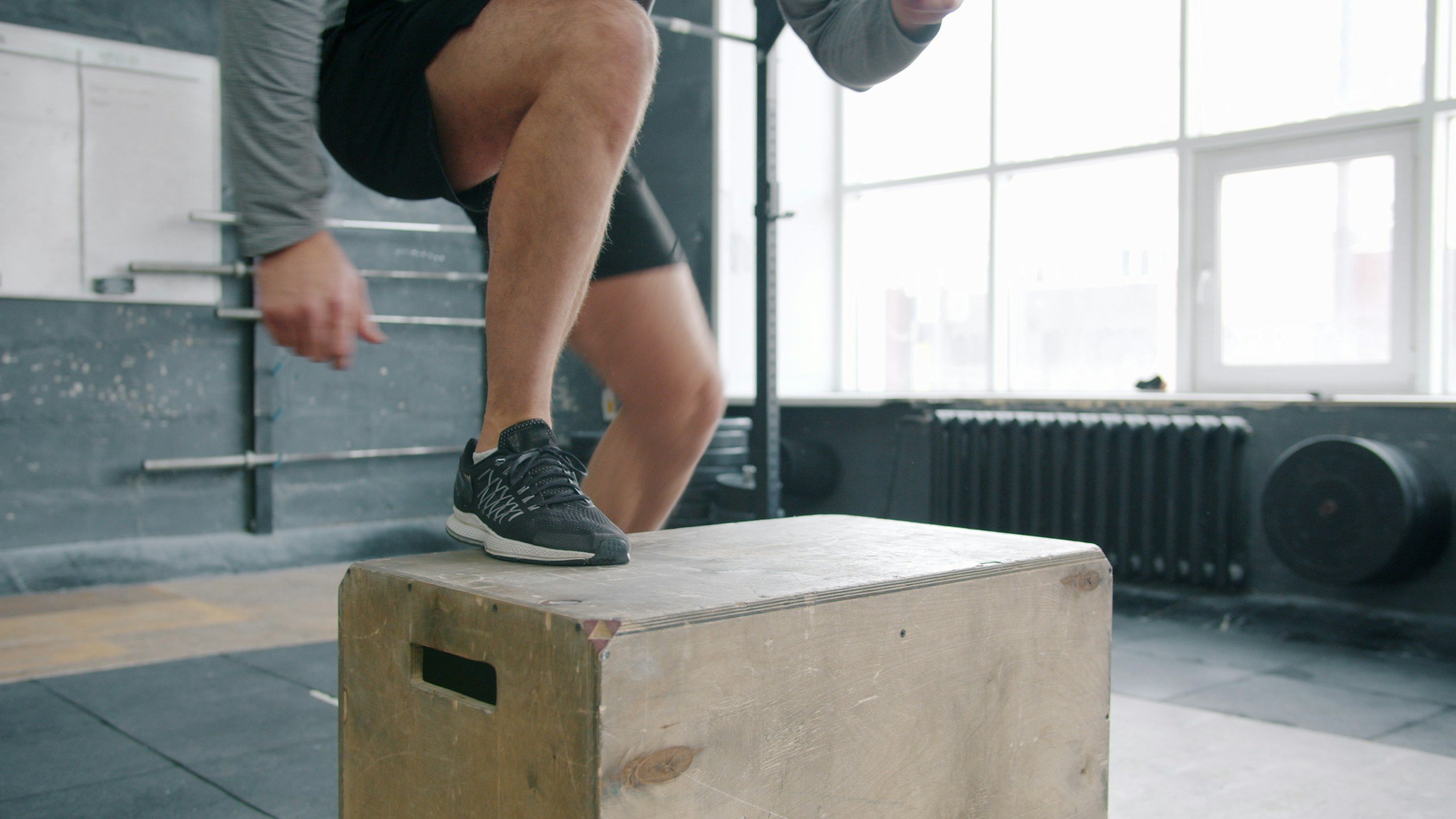
The Key Muscles Every Runner Should Train
A well designed strength program targets the muscles that absorb impact, stabilize your joints, and generate forward propulsion.
Glutes
Your glutes are the primary power generators for running.
Weak glutes often lead to compensation at the knees, calves, or low back.
Great exercises include:
Hip thrusts
Romanian deadlifts
Step ups
Single leg bridges
Quadriceps
Your quads help control knee motion and absorb impact, particularly when running downhill.
Important exercises include:
Squats
Split squats
Step downs
Reverse lunges
Hamstrings
Hamstrings help drive your leg backward during the stride and protect against strains.
Key exercises include:
Romanian deadlifts
Single leg deadlifts
Hamstring curls
Calves
Your calves do an enormous amount of work during running. They absorb force and help propel you forward.
For many runners, calf weakness contributes to injuries such as Achilles tendinopathy or plantar fasciitis.
Exercises should include:
Standing calf raises
Seated calf raises
Single leg calf raises
Core and Trunk Stability
A strong core allows runners to maintain posture and transfer force efficiently.
Instead of endless crunches, focus on:
Side planks
Carries such as farmer carries or suitcase carries
How Often Should Runners Strength Train?
For most runners, two strength sessions per week is the sweet spot.
This provides enough stimulus to build strength while still allowing adequate recovery for running workouts.
A typical week might look like this:
Monday: Easy run
Tuesday: Strength training
Wednesday: Workout or tempo run
Thursday: Strength training
Friday: Easy run or rest
Saturday: Long run
Sunday: Rest or recovery run
The key is consistency. A simple program done twice per week for months will outperform a complex plan done occasionally.

Sample Strength Workout for Runners
Here is a simple strength session we often use with runners at Living Well Physical Therapy & Performance.
Warm Up
Glute bridges - 2 sets of 10
World’s greatest stretch - 5 per side
Bodyweight squats - 10 reps
Strength Work
Goblet squat - 3 sets of 6 to 8
Romanian deadlift - 3 sets of 8
Step ups - 3 sets of 8 each leg
Single leg calf raises - 3 sets of 10
Side plank - 3 sets of 30 seconds
Total time is about 35 to 40 minutes.
When Runners Should Consider a Customized Strength Program
While general programs can work well, runners often benefit from a personalized plan if they:
Have recurring injuries
Are training for a race
Want to improve speed or performance
Are returning from injury
Have not seen progress with generic workouts
At Living Well Physical Therapy & Performance, we frequently combine movement assessments, running gait analysis, and strength testing to build custom strength programs for runners in Milwaukee and the North Shore.
This helps runners train smarter, reduce injury risk, and perform at their best.
The Bottom Line
The best strength training program for runners is not about doing dozens of exercises.
It is about focusing on a few key movements that build strength in the muscles runners rely on most.
If you are running consistently, strength training should be part of your routine, not just something you add when pain starts.
With the right program, runners can build stronger legs, run more efficiently, and stay healthy for the miles ahead.

Want Help Building a Strength Program for Your Running Goals?
If you are a runner in Milwaukee, Shorewood, Whitefish Bay, Fox Point, Bayside, River Hills, or Mequon, our team at Living Well Physical Therapy & Performance specializes in helping runners stay healthy and perform at their best.
Whether you are dealing with an injury or simply want to run stronger, we can help.
Schedule a session today to get a personalized strength and running plan built for you.