How to Fuel Your Runs for Energy, Performance, and Recovery
By a Doctor of Physical Therapy at LWPT & Performance
If you are a runner, you probably spend a lot of time thinking about mileage, pacing, and what route you want to run next. But one of the biggest factors in how you feel during and after your run is something many runners overlook: how you fuel your body.
At Living Well Physical Therapy & Performance, we work with runners across the Milwaukee area who are training along the Lakefront Trail, Oak Leaf Trail, Estabrook Park, Grant Park, and the Riverwalk. Whether someone is training for a race, building mileage, or simply trying to stay active, proper fueling can make a huge difference in energy levels, performance, and recovery.
The good news is that fueling does not have to be complicated. With a few simple strategies, runners can support their training and feel stronger on every run.
🏃 Why Fueling Matters for Runners
Running places a significant demand on your body. Your muscles rely heavily on stored carbohydrates for energy, especially during moderate to higher intensity runs.
If you start a run under fueled, you may notice symptoms such as:
Low energy early in the run
Difficulty maintaining pace
Heavy legs
Feeling lightheaded or fatigued
Slower recovery after your workout
These issues are common among recreational runners, especially young professionals balancing busy work schedules with early morning or evening runs.
When your body has the energy it needs, you will notice better endurance, improved consistency in your training, and faster recovery between workouts.

🍌 What to Eat Before a Run
What you eat before running depends on the length and intensity of the workout.
For shorter runs under about 45 minutes, many runners feel fine with a light snack or even running first thing in the morning if they ate well the night before.
For longer runs or more challenging workouts, a small carbohydrate focused snack about 30 to 60 minutes before running can help provide energy.
Examples include:
✅ A banana
✅ Toast with peanut butter
✅ Greek yogurt with fruit
✅ Oatmeal
✅ A granola bar
If you are heading out for a longer run along the Lakefront Trail or the Oak Leaf Trail, having some fuel beforehand can help you avoid hitting an energy wall midway through the run.
The goal is to keep it simple and easy to digest.
🫔 Fueling During Longer Runs
For runs longer than about 60 to 75 minutes, your body will begin to rely more heavily on carbohydrate intake during the run.
Many runners benefit from consuming 30 to 60 grams of carbohydrates per hour during longer training runs.
Common fueling options include:
⭐ Energy gels
⭐ Chews
⭐ Sports drinks
⭐ Dried fruit
⭐ Small carbohydrate snacks
If you are planning a long run through Estabrook Park or Grant Park, bringing along fuel can help maintain your energy and support better performance.
One important tip is to practice your fueling strategy during training rather than waiting until race day. Your digestive system adapts over time, and practicing helps you find what works best for you.
🥵 Hydration Matters Too
Hydration plays a major role in both performance and recovery.
Even mild dehydration can affect endurance and make your run feel more difficult than it should.
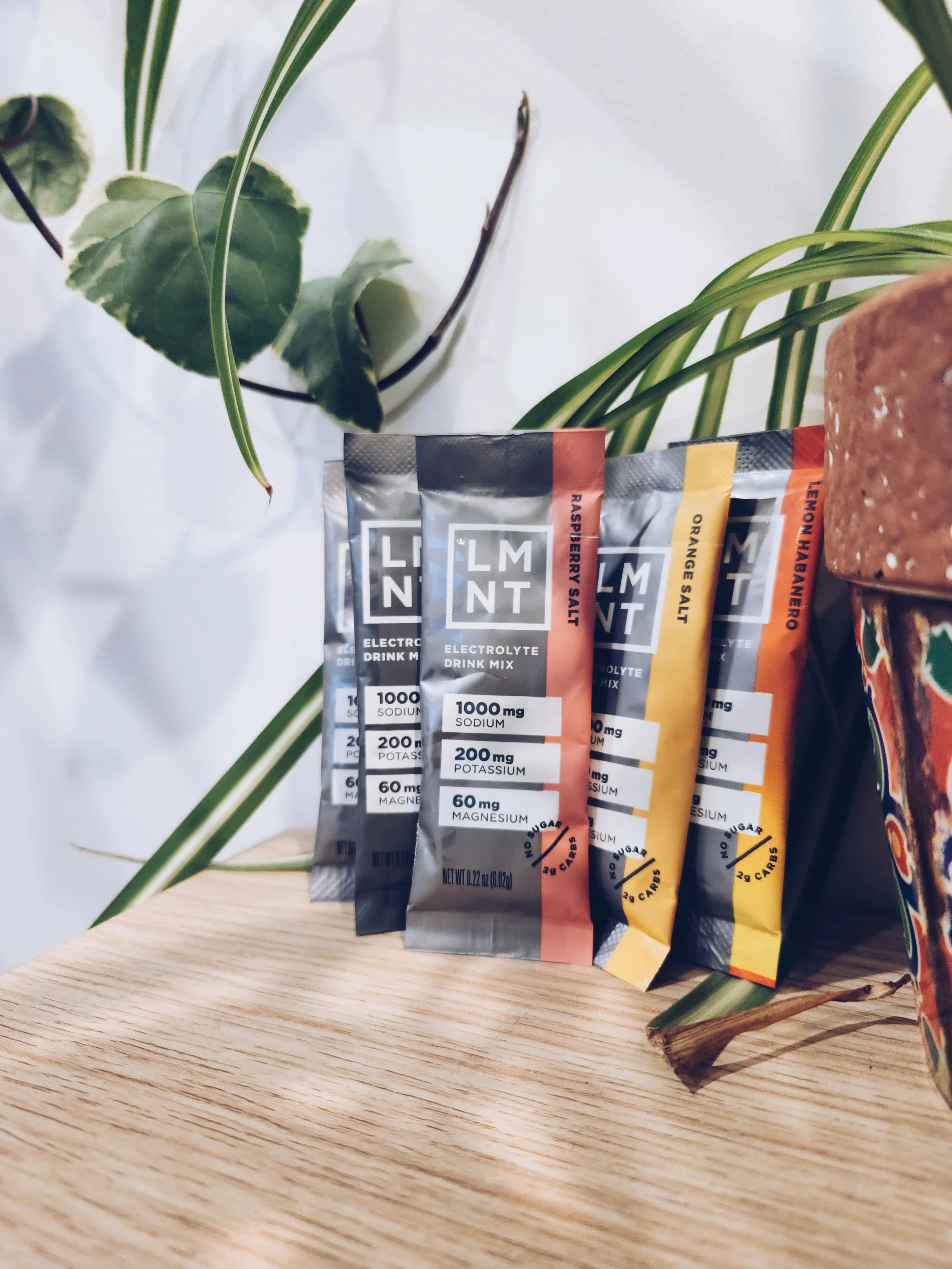
For most runners, drinking water regularly throughout the day is the first step. For longer or warmer runs, electrolyte drinks can also be helpful.
Runners heading out on routes like the Milwaukee Riverwalk or the Lakefront Trail during warmer months should be especially mindful of hydration.
A simple strategy is to drink when you are thirsty and aim for light colored urine throughout the day..
🍚🍗 Recovery Nutrition After Your Run
What you eat after your run is just as important as what you eat before it.
After running, your body needs both carbohydrates and protein to replenish energy stores and repair muscle tissue.
A good recovery meal or snack within about 30 to 60 minutes after your run can help speed recovery and reduce soreness.
Some easy options include:
➡️ A smoothie with fruit and protein powder
➡️ Eggs with toast
➡️ Greek yogurt with berries and granola
➡️ Rice with chicken or tofu
➡️ Chocolate milk
Many runners finish their workouts along the Lakefront or near the Oak Leaf Trail and grab coffee or breakfast afterward. Pairing carbohydrates with protein during this window can help your body recover more effectively.

👎 Common Fueling Mistakes Runners Make
Many recreational runners are surprised to learn that their nutrition habits may be holding them back.
Some common mistakes we see include:
❌ Skipping meals before longer runs
❌ Under fueling during higher mileage weeks
❌ Not eating enough protein for recovery
❌ Waiting too long to eat after a workout
❌ Not drinking enough fluids throughout the day
The goal is not perfection. Instead, it is about building simple habits that support your training.
💪 Fueling Supports Injury Prevention Too
Proper fueling does more than just improve energy levels.
Nutrition plays an important role in tissue recovery, muscle repair, and overall injury resilience.
At Living Well Physical Therapy & Performance, we often work with runners dealing with issues like tendon pain, bone stress injuries, or persistent fatigue. In many cases, nutrition and fueling habits are an important part of the conversation.
Supporting your body with adequate energy allows your muscles, tendons, and bones to adapt to the demands of training.
🥳 The Bottom Line
If you want to run consistently and feel strong doing it, fueling your body should be part of your training plan.
Simple strategies such as eating before longer runs, bringing fuel during extended workouts, staying hydrated, and prioritizing recovery nutrition can make a significant difference.
If you are dealing with a running injury or want guidance on training and recovery, our team at Living Well Physical Therapy & Performance works with runners throughout Milwaukee, Shorewood, Whitefish Bay, Fox Point, Bayside, River Hills, and Mequon to help them stay healthy and perform at their best.
Running should feel strong, sustainable, and enjoyable. The right fueling strategy is a great place to start.